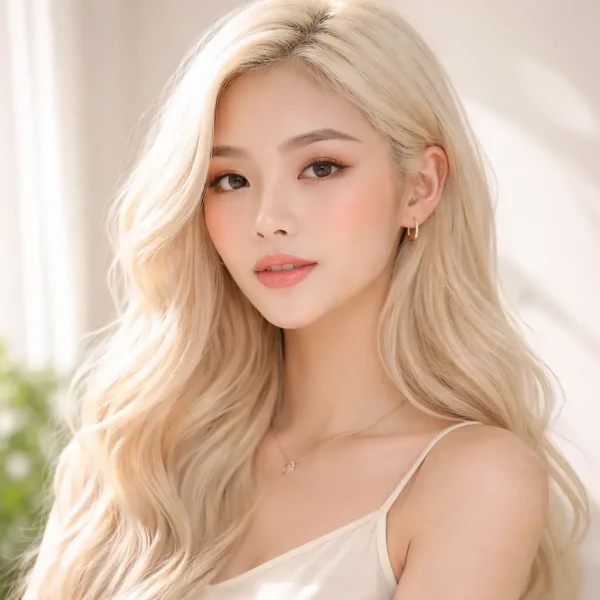
Introduction: Hair lightening has been a staple in cosmetic practices, offering a variety of techniques for adding dimension and brightness to hair. These methods; frosting, tipping, painting, streaking, and highlighting; differ somewhat in their application techniques, chemical processes, and resulting aesthetic effects. Each approach provides unique outcomes depending on individual hair characteristics and preferences, allowing for customization and versatility in hair color treatments. Understanding these techniques at a scientific level gives insight into their effects on hair structure and health, helping professionals and consumers alike make informed choices.
1. Frosting: Frosting is a hair-lightening technique where selected strands are bleached, creating a “salt-and-pepper” effect. The technique became popular in the 1960s and 1970s, especially for short to medium hair. Frosting involves isolating small sections of hair and applying bleach to them, usually leaving a significant amount of the natural hair color untouched. This approach results in a natural, sun-kissed effect, especially when the selected strands are fine and spread throughout the hair.
The bleaching process in frosting relies on oxidizing agents, typically hydrogen peroxide mixed with an alkaline activator. The alkaline pH opens the hair cuticle, allowing the peroxide to penetrate and dissolve melanin. As with all bleaching techniques, frosting can weaken the hair structure, increasing porosity and potentially leading to brittleness if not managed with post-treatment care.
Advantages of Frosting
- Creates a natural, blended look.
- Minimal maintenance due to selective strand bleaching.
- Ideal for clients seeking subtle lightening effects.
Drawbacks of Frosting
- Can lead to uneven color if improperly executed.
- Potential damage to the hair’s cuticle structure.
- Limited suitability for long or very dark hair.
2. Tipping: Tipping is a hair-lightening method that focuses on the ends of the hair. The technique is similar to “ombre” styles, where color transitions from darker roots to lighter ends, but tipping specifically involves applying bleach only to the tips. Commonly used on layered or textured haircuts, tipping provides a sun-bleached look.
The process involves applying bleach to the ends of the hair and allowing it to process to the desired level of lift. Depending on the initial color and desired outcome, tipping might require additional toning to counteract any brassiness or yellow undertones.
Advantages of Tipping
- Low maintenance as roots remain natural.
- Suitable for adding dimension to textured hair.
- Can be tailored to various hair lengths and styles.
Drawbacks of Tipping
- Risk of split ends or dryness if hair is already damaged.
- Color contrast can appear harsh without toning.
- May require regular trimming to keep ends healthy.
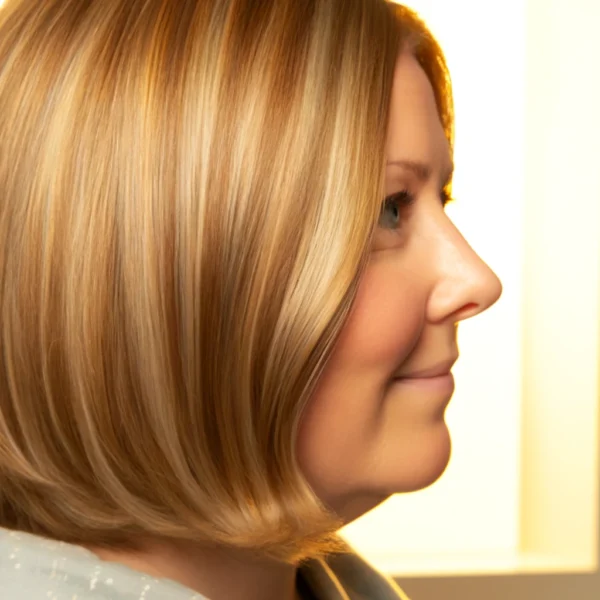
3. Painting (Balayage): Balayage, often referred to as “hair painting,” is a freehand technique where color or lightener is applied directly to the hair surface without the use of foils or caps. Balayage, which originated in France, literally means “to sweep” or “to paint.” This method creates a more natural, gradual transition between shades, giving the hair a sun-kissed and multi-dimensional effect. Unlike frosting or tipping, balayage involves a more artistic approach (and consequently needs a stylist with experience and skill), requiring the stylist to strategically place color based on the client’s hair flow and texture.
In balayage, the lightening product is applied to specific sections of hair, generally focusing on the middle to the ends, which leads to a soft, blended look. Balayage often requires less maintenance than traditional highlights as there is no harsh demarcation line as the hair grows out.
Advantages of Painting
- Produces a soft, natural, and customized lightening effect.
- Lower maintenance as roots are often left untouched.
- Suitable for a wide range of hair colors and textures.
Drawbacks of Painting
- Technique-dependent; requires an experienced and skilled stylist.
- Multiple sessions may be needed for significant lightening.
- Can result in uneven color if not properly applied.
4. Streaking: Streaking, one of the most pronounced hair-lightening methods, involves applying bleach or color to sections of hair, creating bold, defined lines. Most popular in the 1980s and early 2000s, streaking is known for its high contrast and vivid appearance. Unlike frosting or highlighting, which blend lighter tones into the hair, streaking emphasizes the color difference, offering a high-contrast and visually striking look.
Streaking is often achieved with the use of foils, where specific sections of hair are separated, bleached, and processed independently. The use of foils ensures precise color placement and minimizes the risk of product bleeding into the surrounding hair. Streaking is particularly effective for those with darker hair, as it allows the lighter sections to stand out more dramatically.
Advantages of Streaking
- Provides a bold and distinct color pattern.
- Allows for high levels of customization in color and placement.
- Works well on a variety of hair lengths and styles.
Drawbacks of Streaking
- Can look harsh if the color contrast is too intense.
- Requires regular touch-ups to maintain appearance.
- Greater potential for hair damage due to heavy bleaching.
5. Highlighting: Highlighting is a versatile and widely used technique involving the application of lightener or color to sections of hair to create depth and contrast. Highlights can vary in thickness, from fine, delicate strands (known as “baby lights”) to thicker sections. Unlike streaking, highlights are typically more blended and subtle, making them a popular choice for clients seeking a more natural look.
There are several methods for highlighting, including the traditional foil technique and the use of a highlighting cap. With foiling, selected sections of hair are placed in foils after the bleach or color is applied, which accelerates the lifting process by trapping heat. Cap highlighting, often used for shorter hair, involves pulling small sections of hair through a perforated cap and applying bleach to the exposed strands.
Advantages of Highlighting
- Offers a wide range of customization.
- Can create a natural look with subtle dimension.
- Suitable for various hair types, textures, and lengths.
Drawbacks of Highlighting
- May require frequent touch-ups.
- Can cause damage if bleach is left on too long.
- Risk of hair breakage with repeated treatments.
Comparative Analysis of Techniques Summary:
| Technique | Application Area | Aesthetic Outcome | Maintenance Level | Suitability |
| Frosting | Selective strands | Salt-and-pepper, subtle | Low | Short to medium hair |
| Tipping | Hair ends | Ombre, sun-bleached | Low | Layered, textured hair |
| Painting | Mid to ends | Sun-kissed, natural | Low | Various textures |
| Streaking | Sections | Bold, high contrast | Medium | Long, dark hair |
| Highlighting | Throughout | Natural, multi-tonal | Medium to high | Wide applicability |
Hair Health Considerations: Each of these techniques involves varying levels of bleaching or color application, which can affect hair health. Bleaching agents work by penetrating the hair shaft, oxidizing melanin to remove color. This process, while effective, damages the hair’s cuticle layer, leaving it more susceptible to breakage and environmental damage.
Post-treatment care is important for maintaining hair integrity after lightening. Moisturizing treatments, protein masks, and heat protection can help mitigate some of the damage and maintain the hair’s texture and shine. It has been suggested by some stylists to minimize heat drying and use sulfate-free shampoos to prolong the life of the color and reduce dryness.
Conclusion: Frosting, tipping, painting, streaking, and highlighting are related techniques that offer a spectrum of aesthetic outcomes and levels of maintenance. Choosing the appropriate technique depends on individual preferences, hair characteristics, and desired levels of upkeep. While these methods provide versatility and personalization in hair color, attention to hair health and proper maintenance is essential to ensure lasting, beautiful results. As research advances in hair structure and treatments, safer and more sustainable lightening methods continue to emerge, enhancing the options available to both consumers and professionals in the beauty industry.
Bibliography
Coming soon!