The study of hair biology has fascinated researchers for decades due to the intricate processes behind hair development and the vast diversity in hair types – particularly curly hair. Across human populations, hair fibers exhibit a wide spectrum of shapes, from very straight strands with virtually no bending to tightly coiled, spring-like fibers that typify certain African and Melanesian groups. While the fundamental structure of human hair (cuticle, cortex, medulla) is universal, the way these components are arranged – and how the hair follicle itself is organized – varies markedly among individuals. This article examines the cellular and structural mechanisms responsible for curly hair, emphasizing the roles of hair follicle architecture, inner root sheath (IRS) dynamics, and biomechanical factors that shape how curls are generated and maintained. Check out a separate article on the genetics of curly hair .
Hair Fiber Structure and Curvature: Human hair can be viewed as a sophisticated biomaterial, composed of:
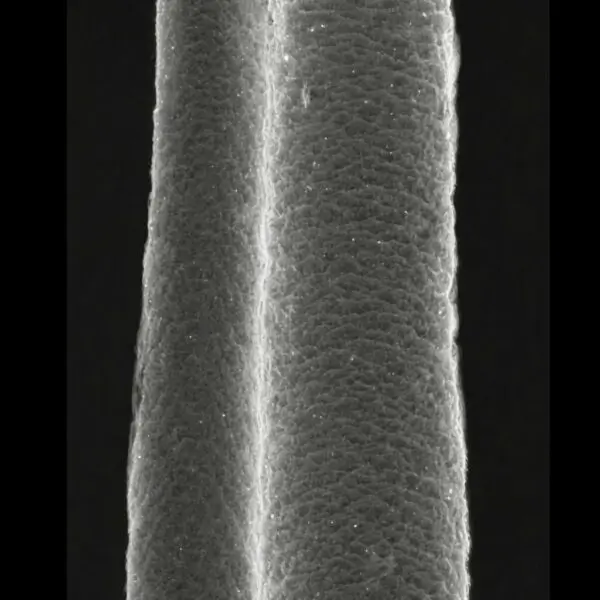
Cuticle – The outermost protective layer that overlaps like tiny scales and helps maintain the integrity of the fiber.Cortex – The bulk of the hair, made up of elongated keratin-rich cells responsible for many of hair’s mechanical properties (strength, elasticity, and shape).Medulla – A central canal that is often intermittent or absent in finer hairs; its presence generally correlates with thicker fiber diameters. Despite these common elements, curly hair fibers tend to have an elliptical or “D”-shaped cross section, whereas straighter hairs are usually rounder. The elliptical shape lowers bending stiffness in certain directions, making it easier for the fiber to curl. Moreover, curly hairs are rarely perfect coils; they often display irregular or changing directions as they extend from the scalp, generating fascinating patterns such as “kinks,” “crimps,” and “waves.” These irregularities reflect the interplay between follicle geometry, cellular asymmetry, and the final hardening (keratinization) process that solidifies the hair’s shape.
The Role of the Hair Follicle: At the root of each hair is a sophisticated structure called the hair follicle, a miniature organ in the skin that contains both proliferative and differentiating cell populations. In cross section, the follicle can be visualized as a series of concentric layers that include:
Outer Root Sheath (ORS), containing epithelial cells and including the hair “bulge region” which contains epithelial stem cellsInner Root Sheath (IRS) , itself composed of Henle’s layer, Huxley’s layer, and the IRS cuticleHair shaft at the center, forming as matrix cells at the base of the follicle divide and undergo a complex keratinization pathway The shape of a hair follicle determines what shape of hair fiber it makes. Basically, curly hair comes from curly hair follicles! With curly hair, one of the key observations is the hair follicle’s curvature in two planes – often referred to as retro-curvature – such that the growing shaft emerges from the skin at an angle, rather than straight upwards. This curvature of the hair follicle is believed to contribute to the eventual curl or coil of the hair fiber. Moreover, studies have shown that the distribution of proliferating matrix cells (those undergoing rapid cell division) can be asymmetric in follicles that produce curly hair. Specifically, Ki67, a marker of cell proliferation, exhibits uneven staining, with greater cell division sometimes found on the “convex” side of the follicle. This asymmetry lays the foundation for a fiber that is not uniform around its cross section.
Asymmetric Differentiation in the Inner Root Sheath: Hair fiber shape ultimately reflects the combined mechanical forces that arise during the transition of soft follicular cells into the rigid, keratinized structures of the IRS and hair shaft. Among the most striking insights into curly hair biology is the role of the IRS – particularly Huxley’s and Henle’s layers – in “molding” the shape of the emerging hair fiber.
IRS Cuticle and Keratin Expression: The IRS cuticle interlocks with the hair shaft cuticle, maintaining a tight physical bond that helps guide the hair as it grows. Specific hair keratins, such as KRT74 (keratin 74), are expressed in Huxley’s layer; variations in these keratins are correlated with the tendency of hair to curl or coil.Trichohyalin: Trichohyalin is a protein important in hardening the IRS and may help transfer mechanical forces that bend or “twist” the emerging hair shaft. The asymmetric expression or activity of trichohyalin, in concert with keratins, is hypothesized to contribute to the curvature of hair as it emerges from the follicle. Biomechanical Considerations: Fundamentally, curls form when one side of the hair shaft is subject to greater tension or stiffness than the other, leading to a consistent bend along the fiber’s length. Research on wool fibers has historically led the way in proposing that differential protein composition and cross-link densities on the concave vs. convex sides of a fiber contribute to natural curvature or crimp. In humans, the situation is arguably more complex, as curly hair often exhibits additional bends or twists (kinks, crimps, or changes in direction) that cannot be explained simply by a single axis of asymmetry.
Moreover, the curved nature of the follicle itself likely imposes a “preset” path onto the hair shaft as it grows. Once the hair emerges past the skin surface and is no longer supported (or constrained) by the surrounding follicular tissues, the underlying asymmetries in structure, protein distribution, and cross-linking become more pronounced, generating the characteristic curliness seen in tightly coiled African hair, or the wavy forms in other ethnicities.
Developmental Factors: Hair follicle formation begins in utero, with an invagination of the epidermis leading to the establishment of the follicle structure. The first neonatal or infant hair often differs in texture and curl from the mature adult hair that appears after a few hair cycles. In children of African descent, for example, tight coils typically appear many months after birth, indicating that early hair cycles – governed by embryonic development processes – are not wholly predictive of later curly hair phenotypes. Once hair reaches adulthood, its characteristic curl pattern tends to be stable, although certain medical treatments (e.g., epidermal growth factor receptor inhibitors) and rare genetic disorders can alter hair shape over time.
Why Curly Hair: Several evolutionary hypotheses suggest that highly curled hair in certain populations developed to facilitate thermoregulation in hot climates. Tightly coiled hair may help dissipate heat more efficiently from the scalp. Such adaptive pressures, distributed across millennia, have contributed to the global diversity in hair shapes we see today. Although these selective forces are not yet fully understood, the prevalence of curly hair in geographically and ethnically distinct populations (e.g., Melanesians vs. Africans) emphasizes the complex interactions between biology, environment, and genetics.
Conclusion: The biology of curly hair involves a multifaceted interplay between follicle anatomy, the asymmetric expression of structural proteins, and biomechanical forces inside a hair follicle, that establish a hair’s final curvature. The inner root sheath, particularly Huxley’s layer and its key proteins (trichohyalin, keratins), exerts significant influence on shaping the emerging fiber. Meanwhile, asymmetrical follicle geometry and uneven cell proliferation in the bulb further cement the hair’s curled form. An understanding of these processes provides a solid framework for appreciating the remarkable diversity and the underlying intricacy of hair across human populations.
Bibliography
11711645 {11711645:ZQTLVRX2},{11711645:BLB6G4NJ},{11711645:45N3BABE},{11711645:K3Y3MU4J},{11711645:UN6ZW4YK},{11711645:TNLB85WU},{11711645:AZVGKS9J},{11711645:FH4J97UF},{11711645:WJ7A3CVX},{11711645:ELQ8V8TN},{11711645:XX9Z3UCV},{11711645:FP4V8VLM},{11711645:UFUQ6GP8},{11711645:78PSS7PP} 1 vancouver 50 date asc 1851 https://www.keratin.com/wp-content/plugins/zotpress/ %7B%22status%22%3A%22success%22%2C%22updateneeded%22%3Afalse%2C%22instance%22%3Afalse%2C%22meta%22%3A%7B%22request_last%22%3A0%2C%22request_next%22%3A0%2C%22used_cache%22%3Atrue%7D%2C%22data%22%3A%5B%7B%22key%22%3A%22ZQTLVRX2%22%2C%22library%22%3A%7B%22id%22%3A11711645%7D%2C%22meta%22%3A%7B%22creatorSummary%22%3A%22Hutchinson%20and%20Thompson%22%2C%22parsedDate%22%3A%221997-02%22%2C%22numChildren%22%3A0%7D%2C%22bib%22%3A%22%26lt%3Bdiv%20class%3D%26quot%3Bcsl-bib-body%26quot%3B%20style%3D%26quot%3Bline-height%3A%201.35%3B%20%26quot%3B%26gt%3B%5Cn%20%20%26lt%3Bdiv%20class%3D%26quot%3Bcsl-entry%26quot%3B%20style%3D%26quot%3Bclear%3A%20left%3B%20%26quot%3B%26gt%3B%5Cn%20%20%20%20%26lt%3Bdiv%20class%3D%26quot%3Bcsl-left-margin%26quot%3B%20style%3D%26quot%3Bfloat%3A%20left%3B%20padding-right%3A%200.5em%3B%20text-align%3A%20right%3B%20width%3A%201em%3B%26quot%3B%26gt%3B1.%26lt%3B%5C%2Fdiv%26gt%3B%26lt%3Bdiv%20class%3D%26quot%3Bcsl-right-inline%26quot%3B%20style%3D%26quot%3Bmargin%3A%200%20.4em%200%201.5em%3B%26quot%3B%26gt%3BHutchinson%20PE%2C%20Thompson%20JR.%20The%20cross-sectional%20size%20and%20shape%20of%20human%20terminal%20scalp%20hair.%20Br%20J%20Dermatol.%201997%20Feb%3B136%282%29%3A159%26%23x2013%3B65.%26lt%3B%5C%2Fdiv%26gt%3B%5Cn%20%20%20%26lt%3B%5C%2Fdiv%26gt%3B%5Cn%26lt%3B%5C%2Fdiv%26gt%3B%22%2C%22data%22%3A%7B%22itemType%22%3A%22journalArticle%22%2C%22title%22%3A%22The%20cross-sectional%20size%20and%20shape%20of%20human%20terminal%20scalp%20hair%22%2C%22creators%22%3A%5B%7B%22creatorType%22%3A%22author%22%2C%22firstName%22%3A%22P.%20E.%22%2C%22lastName%22%3A%22Hutchinson%22%7D%2C%7B%22creatorType%22%3A%22author%22%2C%22firstName%22%3A%22J.%20R.%22%2C%22lastName%22%3A%22Thompson%22%7D%5D%2C%22abstractNote%22%3A%22Change%20in%20size%20of%20the%20hair%20shaft%20with%20distance%20form%20the%20scalp%20has%20been%20investigated%2C%20using%20a%20rotatory%20profile%20method%20of%20diameter%20measurement%2C%20in%20terminal%20human%20scalp%20hair%20of%20long-haired%20young%20Caucasian%20women.%20As%20the%20whole%20length%20of%20hairs%20having%20completed%20anagen%20are%20rarely%20found%20intact%2C%20two%20types%20of%20hair%20were%20investigated%3A%20those%20including%20segments%20produced%20at%20the%20onset%20of%20anagen%20%28%26%23039%3Banagen%20hairs%26%23039%3B%29%2C%20and%20those%20including%20segments%20produced%20at%20the%20end%20of%20anagen%20%28%26%23039%3Btelogen%20hairs%26%23039%3B%29.%20In%20addition%2C%20a%20method%20of%20determining%20the%20cause%20of%20any%20size%20variation%20has%20been%20described%20and%20employed.%20Changes%20were%20found%20in%20the%20major%20axis%20of%20the%20hair%20cross-section%2C%20cross-sectional%20area%20and%20ellipticity%20with%20distance%20from%20the%20scalp%2C%20while%20the%20minor%20cross-sectional%20axis%20remained%20constant.%20It%20was%20established%20that%20these%20changes%20were%20the%20result%20of%20intrafollicular%20rather%20than%20extrafollicular%20mechanisms.%20Finally%2C%20a%20composite%20picture%20of%20the%20cross-sectional%20size%20and%20shape%20of%20the%20%26%23039%3Baverage%26%23039%3B%20whole%20anagen%20hair%20of%20the%20study%20has%20been%20constructed.%20From%20the%20distal%20tip%20towards%20the%20scalp%20for%20approximately%206-8%20cm%2C%20there%20was%20an%20abrupt%20increase%20in%20size%2C%20representing%20a%20starting-up%20phase%20of%20early%20anagen.%20Following%20this%2C%20the%20hair%20was%20at%20its%20greatest%20cross-sectional%20size%20and%20ellipticity%20which%20then%20progressively%20decreased%20through%20anagen%20%2820%25%20decrease%20for%20cross-sectional%20area%20and%2013%25%20for%20ellipticity%29.%20In%20contrast%2C%20the%20minor%20axis%20of%20the%20hair%20cross-section%2C%20remained%20constant%20throughout%20anagen.%20The%20hair%20was%20not%20therefore%20a%20uniformly%20sized%20cylinder.%20It%20was%20approximately%20spear-shaped%2C%20being%20broadened%20out%20in%20one%20plane%20distally%20where%20it%20was%20more%20elliptical.%20Subsequently%20as%20anagen%20progressed%20the%20hair%20shaft%20became%20smaller%20and%20more%20circular.%22%2C%22date%22%3A%221997-02%22%2C%22section%22%3A%22%22%2C%22partNumber%22%3A%22%22%2C%22partTitle%22%3A%22%22%2C%22DOI%22%3A%22%22%2C%22citationKey%22%3A%22%22%2C%22url%22%3A%22%22%2C%22PMID%22%3A%22%22%2C%22PMCID%22%3A%22%22%2C%22ISSN%22%3A%220007-0963%22%2C%22language%22%3A%22eng%22%2C%22collections%22%3A%5B%22RC56ISVF%22%2C%22VRXTBFGU%22%5D%2C%22dateModified%22%3A%222025-01-06T17%3A24%3A29Z%22%7D%7D%2C%7B%22key%22%3A%2245N3BABE%22%2C%22library%22%3A%7B%22id%22%3A11711645%7D%2C%22meta%22%3A%7B%22creatorSummary%22%3A%22Bernard%22%2C%22parsedDate%22%3A%222003-06%22%2C%22numChildren%22%3A0%7D%2C%22bib%22%3A%22%26lt%3Bdiv%20class%3D%26quot%3Bcsl-bib-body%26quot%3B%20style%3D%26quot%3Bline-height%3A%201.35%3B%20%26quot%3B%26gt%3B%5Cn%20%20%26lt%3Bdiv%20class%3D%26quot%3Bcsl-entry%26quot%3B%20style%3D%26quot%3Bclear%3A%20left%3B%20%26quot%3B%26gt%3B%5Cn%20%20%20%20%26lt%3Bdiv%20class%3D%26quot%3Bcsl-left-margin%26quot%3B%20style%3D%26quot%3Bfloat%3A%20left%3B%20padding-right%3A%200.5em%3B%20text-align%3A%20right%3B%20width%3A%201em%3B%26quot%3B%26gt%3B1.%26lt%3B%5C%2Fdiv%26gt%3B%26lt%3Bdiv%20class%3D%26quot%3Bcsl-right-inline%26quot%3B%20style%3D%26quot%3Bmargin%3A%200%20.4em%200%201.5em%3B%26quot%3B%26gt%3BBernard%20BA.%20Hair%20shape%20of%20curly%20hair.%20J%20Am%20Acad%20Dermatol.%202003%20June%3B48%286%20Suppl%29%3AS120-126.%26lt%3B%5C%2Fdiv%26gt%3B%5Cn%20%20%20%26lt%3B%5C%2Fdiv%26gt%3B%5Cn%26lt%3B%5C%2Fdiv%26gt%3B%22%2C%22data%22%3A%7B%22itemType%22%3A%22journalArticle%22%2C%22title%22%3A%22Hair%20shape%20of%20curly%20hair%22%2C%22creators%22%3A%5B%7B%22creatorType%22%3A%22author%22%2C%22firstName%22%3A%22Bruno%20A.%22%2C%22lastName%22%3A%22Bernard%22%7D%5D%2C%22abstractNote%22%3A%22The%20hair%20follicle%20is%20a%20unique%20composite%20organ%2C%20composed%20of%20epithelial%20and%20dermal%20compartments%20interacting%20with%20each%20other%20in%20a%20surprisingly%20autonomous%20way.%20This%20is%20a%20self-renewing%20organ%20that%20seems%20to%20be%20a%20true%20paradigm%20of%20epithelial%20and%20mesenchymal%20interactions.%20Each%20of%20the%20follicular%20compartments%20is%20endowed%20with%20a%20specific%20differentiation%20pathway%20under%20the%20control%20of%20an%20intricate%20network%20of%20growth%20factors%2C%20cytokines%2C%20and%20hormones.%20As%20observed%20for%20ethnic%20hairs%2C%20even%20the%20shape%20of%20the%20hair%20shaft%20is%20intrinsically%20programmed%20from%20the%20bulb.%22%2C%22date%22%3A%222003-06%22%2C%22section%22%3A%22%22%2C%22partNumber%22%3A%22%22%2C%22partTitle%22%3A%22%22%2C%22DOI%22%3A%2210.1067%5C%2Fmjd.2003.279%22%2C%22citationKey%22%3A%22%22%2C%22url%22%3A%22%22%2C%22PMID%22%3A%22%22%2C%22PMCID%22%3A%22%22%2C%22ISSN%22%3A%220190-9622%22%2C%22language%22%3A%22eng%22%2C%22collections%22%3A%5B%22RC56ISVF%22%2C%22VRXTBFGU%22%5D%2C%22dateModified%22%3A%222025-01-06T17%3A03%3A09Z%22%7D%7D%2C%7B%22key%22%3A%22BLB6G4NJ%22%2C%22library%22%3A%7B%22id%22%3A11711645%7D%2C%22meta%22%3A%7B%22creatorSummary%22%3A%22Steinert%20et%20al.%22%2C%22parsedDate%22%3A%222003-10-17%22%2C%22numChildren%22%3A0%7D%2C%22bib%22%3A%22%26lt%3Bdiv%20class%3D%26quot%3Bcsl-bib-body%26quot%3B%20style%3D%26quot%3Bline-height%3A%201.35%3B%20%26quot%3B%26gt%3B%5Cn%20%20%26lt%3Bdiv%20class%3D%26quot%3Bcsl-entry%26quot%3B%20style%3D%26quot%3Bclear%3A%20left%3B%20%26quot%3B%26gt%3B%5Cn%20%20%20%20%26lt%3Bdiv%20class%3D%26quot%3Bcsl-left-margin%26quot%3B%20style%3D%26quot%3Bfloat%3A%20left%3B%20padding-right%3A%200.5em%3B%20text-align%3A%20right%3B%20width%3A%201em%3B%26quot%3B%26gt%3B1.%26lt%3B%5C%2Fdiv%26gt%3B%26lt%3Bdiv%20class%3D%26quot%3Bcsl-right-inline%26quot%3B%20style%3D%26quot%3Bmargin%3A%200%20.4em%200%201.5em%3B%26quot%3B%26gt%3BSteinert%20PM%2C%20Parry%20DAD%2C%20Marekov%20LN.%20Trichohyalin%20mechanically%20strengthens%20the%20hair%20follicle%3A%20multiple%20cross-bridging%20roles%20in%20the%20inner%20root%20shealth.%20J%20Biol%20Chem.%202003%20Oct%2017%3B278%2842%29%3A41409%26%23x2013%3B19.%26lt%3B%5C%2Fdiv%26gt%3B%5Cn%20%20%20%26lt%3B%5C%2Fdiv%26gt%3B%5Cn%26lt%3B%5C%2Fdiv%26gt%3B%22%2C%22data%22%3A%7B%22itemType%22%3A%22journalArticle%22%2C%22title%22%3A%22Trichohyalin%20mechanically%20strengthens%20the%20hair%20follicle%3A%20multiple%20cross-bridging%20roles%20in%20the%20inner%20root%20shealth%22%2C%22creators%22%3A%5B%7B%22creatorType%22%3A%22author%22%2C%22firstName%22%3A%22Peter%20M.%22%2C%22lastName%22%3A%22Steinert%22%7D%2C%7B%22creatorType%22%3A%22author%22%2C%22firstName%22%3A%22David%20A.%20D.%22%2C%22lastName%22%3A%22Parry%22%7D%2C%7B%22creatorType%22%3A%22author%22%2C%22firstName%22%3A%22Lyuben%20N.%22%2C%22lastName%22%3A%22Marekov%22%7D%5D%2C%22abstractNote%22%3A%22Trichohyalin%20is%20expressed%20in%20specialized%20epithelia%20that%20are%20unusually%20mechanically%20strong%2C%20such%20as%20the%20inner%20root%20sheath%20cells%20of%20the%20hair%20follicle.%20We%20have%20previously%20shown%20that%20trichohyalin%20is%20sequentially%20subjected%20to%20post-synthetic%20modifications%20by%20peptidylarginine%20deaminases%2C%20which%20convert%20many%20of%20its%20arginines%20to%20citrullines%2C%20and%20by%20transglutaminases%2C%20which%20introduce%20intra-%20and%20interprotein%20chain%20cross-links.%20Here%20we%20have%20characterized%20in%20detail%20the%20proteins%20to%20which%20it%20becomes%20cross-linked%20in%20vivo%20in%20the%20inner%20root%20sheath%20of%20the%20mouse%20hair%20follicle.%20We%20suggest%20that%20it%20has%20three%20principal%20roles.%20First%2C%20it%20serves%20as%20an%20interfilamentous%20matrix%20protein%20by%20becoming%20cross-linked%20both%20to%20itself%20and%20to%20the%20head%20and%20tail%20end%20domains%20of%20the%20inner%20root%20sheath%20keratin%20intermediate%20filament%20chains.%20A%20new%20antibody%20reveals%20that%20arginines%20of%20the%20tail%20domains%20of%20the%20keratins%20are%20modified%20to%20citrullines%20before%20cross-linking%2C%20which%20clarifies%20previous%20studies.%20Second%2C%20trichohyalin%20serves%20as%20a%20cross-bridging%20reinforcement%20protein%20of%20the%20cornified%20cell%20envelope%20of%20the%20inner%20root%20sheath%20cells%20by%20becoming%20cross-linked%20to%20several%20known%20or%20novel%20barrier%20proteins%2C%20including%20involucrin%2C%20small%20proline-rich%20proteins%2C%20repetin%2C%20and%20epiplakin.%20Third%2C%20it%20coordinates%20linkage%20between%20the%20keratin%20filaments%20and%20cell%20envelope%20to%20form%20a%20seamless%20continuum.%20Together%2C%20our%20new%20data%20document%20that%20trichohyalin%20is%20a%20multi-functional%20cross-bridging%20protein%20that%20functions%20in%20the%20inner%20root%20sheath%20and%20perhaps%20in%20other%20specialized%20epithelial%20tissues%20by%20conferring%20to%20and%20coordinating%20mechanical%20strength%20between%20their%20peripheral%20cell%20envelope%20barrier%20structures%20and%20their%20cytoplasmic%20keratin%20filament%20networks.%22%2C%22date%22%3A%222003-10-17%22%2C%22section%22%3A%22%22%2C%22partNumber%22%3A%22%22%2C%22partTitle%22%3A%22%22%2C%22DOI%22%3A%2210.1074%5C%2Fjbc.M302037200%22%2C%22citationKey%22%3A%22%22%2C%22url%22%3A%22%22%2C%22PMID%22%3A%22%22%2C%22PMCID%22%3A%22%22%2C%22ISSN%22%3A%220021-9258%22%2C%22language%22%3A%22eng%22%2C%22collections%22%3A%5B%22RC56ISVF%22%2C%22VRXTBFGU%22%5D%2C%22dateModified%22%3A%222025-01-06T17%3A12%3A14Z%22%7D%7D%2C%7B%22key%22%3A%22K3Y3MU4J%22%2C%22library%22%3A%7B%22id%22%3A11711645%7D%2C%22meta%22%3A%7B%22creatorSummary%22%3A%22Thibaut%20et%20al.%22%2C%22parsedDate%22%3A%222005-04%22%2C%22numChildren%22%3A0%7D%2C%22bib%22%3A%22%26lt%3Bdiv%20class%3D%26quot%3Bcsl-bib-body%26quot%3B%20style%3D%26quot%3Bline-height%3A%201.35%3B%20%26quot%3B%26gt%3B%5Cn%20%20%26lt%3Bdiv%20class%3D%26quot%3Bcsl-entry%26quot%3B%20style%3D%26quot%3Bclear%3A%20left%3B%20%26quot%3B%26gt%3B%5Cn%20%20%20%20%26lt%3Bdiv%20class%3D%26quot%3Bcsl-left-margin%26quot%3B%20style%3D%26quot%3Bfloat%3A%20left%3B%20padding-right%3A%200.5em%3B%20text-align%3A%20right%3B%20width%3A%201em%3B%26quot%3B%26gt%3B1.%26lt%3B%5C%2Fdiv%26gt%3B%26lt%3Bdiv%20class%3D%26quot%3Bcsl-right-inline%26quot%3B%20style%3D%26quot%3Bmargin%3A%200%20.4em%200%201.5em%3B%26quot%3B%26gt%3BThibaut%20S%2C%20Gaillard%20O%2C%20Bouhanna%20P%2C%20Cannell%20DW%2C%20Bernard%20BA.%20Human%20hair%20shape%20is%20programmed%20from%20the%20bulb.%20Br%20J%20Dermatol.%202005%20Apr%3B152%284%29%3A632%26%23x2013%3B8.%26lt%3B%5C%2Fdiv%26gt%3B%5Cn%20%20%20%26lt%3B%5C%2Fdiv%26gt%3B%5Cn%26lt%3B%5C%2Fdiv%26gt%3B%22%2C%22data%22%3A%7B%22itemType%22%3A%22journalArticle%22%2C%22title%22%3A%22Human%20hair%20shape%20is%20programmed%20from%20the%20bulb%22%2C%22creators%22%3A%5B%7B%22creatorType%22%3A%22author%22%2C%22firstName%22%3A%22S.%22%2C%22lastName%22%3A%22Thibaut%22%7D%2C%7B%22creatorType%22%3A%22author%22%2C%22firstName%22%3A%22O.%22%2C%22lastName%22%3A%22Gaillard%22%7D%2C%7B%22creatorType%22%3A%22author%22%2C%22firstName%22%3A%22P.%22%2C%22lastName%22%3A%22Bouhanna%22%7D%2C%7B%22creatorType%22%3A%22author%22%2C%22firstName%22%3A%22D.%20W.%22%2C%22lastName%22%3A%22Cannell%22%7D%2C%7B%22creatorType%22%3A%22author%22%2C%22firstName%22%3A%22B.%20A.%22%2C%22lastName%22%3A%22Bernard%22%7D%5D%2C%22abstractNote%22%3A%22BACKGROUND%3A%20Few%20biological%20data%20on%20curly%20hair%20follicles%20have%20been%20reported%20in%20the%20literature.%5CnOBJECTIVES%3A%20To%20investigate%20the%20growth%20and%20morphology%20of%20curly%20hair%20follicles.%5CnMETHODS%3A%20Follicles%20were%20dissected%20from%20scalp%20skin%20samples%20from%20African%2C%20Guyanese%20and%20caucasian%20volunteers%20and%20were%20observed%20macroscopically%2C%20in%20culture%20in%20William%26%23039%3Bs%20E%20medium%2C%20and%20by%20immunohistochemistry.%5CnRESULTS%3A%20Macroscopic%20study%20of%20scalp%20biopsies%20obtained%20from%20African%20volunteers%20showed%20that%20the%20dermal%20implantation%20of%20follicles%20was%20curved%20with%20a%20retrocurvature%20at%20the%20level%20of%20the%20bulb%2C%20as%20opposed%20to%20a%20straight%20shape%20in%20caucasian%20follicles.%20The%20bulb%20itself%20was%20bent%2C%20in%20the%20shape%20of%20a%20golf%20club%2C%20while%20both%20the%20outer%20root%20sheath%20%28ORS%29%20and%20the%20connective%20tissue%20sheath%20were%20dissymmetrical%20along%20the%20follicle.%20In%20vitro%20growth%20of%20curly%20hair%20follicles%20was%20slightly%20slower%20than%20that%20of%20caucasian%20follicles%20but%2C%20more%20importantly%2C%20the%20curvature%20was%20maintained%20in%20the%20hair%20shaft%20produced%20in%20vitro.%20As%20shown%20by%20immunohistochemistry%2C%20the%20proliferative%20matrix%20compartment%20of%20curly%20hair%20follicles%20was%20asymmetrical%2C%20Ki-67-labelled%20cells%20being%20more%20numerous%20on%20the%20convex%20side%20and%20extending%20above%20the%20Auber%20line.%20On%20the%20convex%20part%20of%20the%20follicle%2C%20the%20ORS%20was%20thinner%20and%20the%20differentiation%20programmes%20of%20the%20inner%20root%20sheath%20and%20hair%20shaft%20were%20delayed.%20Furthermore%2C%20some%20ORS%20cells%20expressed%20alpha-smooth%20muscle%20actin%20protein%20on%20the%20concave%20side%20of%20the%20curvature%2C%20reflecting%20a%20mechanical%20stress.%5CnCONCLUSIONS%3A%20Hair%20curliness%20is%20programmed%20from%20the%20bulb%20and%20is%20linked%20to%20asymmetry%20in%20differentiation%20programmes.%22%2C%22date%22%3A%222005-04%22%2C%22section%22%3A%22%22%2C%22partNumber%22%3A%22%22%2C%22partTitle%22%3A%22%22%2C%22DOI%22%3A%2210.1111%5C%2Fj.1365-2133.2005.06521.x%22%2C%22citationKey%22%3A%22%22%2C%22url%22%3A%22%22%2C%22PMID%22%3A%22%22%2C%22PMCID%22%3A%22%22%2C%22ISSN%22%3A%220007-0963%22%2C%22language%22%3A%22eng%22%2C%22collections%22%3A%5B%22RC56ISVF%22%2C%22VRXTBFGU%22%5D%2C%22dateModified%22%3A%222025-01-06T17%3A04%3A24Z%22%7D%7D%2C%7B%22key%22%3A%22TNLB85WU%22%2C%22library%22%3A%7B%22id%22%3A11711645%7D%2C%22meta%22%3A%7B%22creatorSummary%22%3A%22Thibaut%20et%20al.%22%2C%22parsedDate%22%3A%222007-10%22%2C%22numChildren%22%3A0%7D%2C%22bib%22%3A%22%26lt%3Bdiv%20class%3D%26quot%3Bcsl-bib-body%26quot%3B%20style%3D%26quot%3Bline-height%3A%201.35%3B%20%26quot%3B%26gt%3B%5Cn%20%20%26lt%3Bdiv%20class%3D%26quot%3Bcsl-entry%26quot%3B%20style%3D%26quot%3Bclear%3A%20left%3B%20%26quot%3B%26gt%3B%5Cn%20%20%20%20%26lt%3Bdiv%20class%3D%26quot%3Bcsl-left-margin%26quot%3B%20style%3D%26quot%3Bfloat%3A%20left%3B%20padding-right%3A%200.5em%3B%20text-align%3A%20right%3B%20width%3A%201em%3B%26quot%3B%26gt%3B1.%26lt%3B%5C%2Fdiv%26gt%3B%26lt%3Bdiv%20class%3D%26quot%3Bcsl-right-inline%26quot%3B%20style%3D%26quot%3Bmargin%3A%200%20.4em%200%201.5em%3B%26quot%3B%26gt%3BThibaut%20S%2C%20Barbarat%20P%2C%20Leroy%20F%2C%20Bernard%20BA.%20Human%20hair%20keratin%20network%20and%20curvature.%20Int%20J%20Dermatol.%202007%20Oct%3B46%20Suppl%201%3A7%26%23x2013%3B10.%26lt%3B%5C%2Fdiv%26gt%3B%5Cn%20%20%20%26lt%3B%5C%2Fdiv%26gt%3B%5Cn%26lt%3B%5C%2Fdiv%26gt%3B%22%2C%22data%22%3A%7B%22itemType%22%3A%22journalArticle%22%2C%22title%22%3A%22Human%20hair%20keratin%20network%20and%20curvature%22%2C%22creators%22%3A%5B%7B%22creatorType%22%3A%22author%22%2C%22firstName%22%3A%22Sebastien%22%2C%22lastName%22%3A%22Thibaut%22%7D%2C%7B%22creatorType%22%3A%22author%22%2C%22firstName%22%3A%22Philippe%22%2C%22lastName%22%3A%22Barbarat%22%7D%2C%7B%22creatorType%22%3A%22author%22%2C%22firstName%22%3A%22Frederic%22%2C%22lastName%22%3A%22Leroy%22%7D%2C%7B%22creatorType%22%3A%22author%22%2C%22firstName%22%3A%22Bruno%20A.%22%2C%22lastName%22%3A%22Bernard%22%7D%5D%2C%22abstractNote%22%3A%22BACKGROUND%3A%20In%20human%20hair%2C%20very%20little%20is%20known%20about%20the%20substructures%20relating%20to%20the%20curl%20pattern.%20The%20interpretation%20of%20the%20macroscopic%20shape%20of%20the%20fiber%20at%20the%20molecular%20and%20cellular%20scales%20is%20still%20unclear.%5CnMETHODS%3A%20A%20comparative%20and%20multiscale%20study%20was%20carried%20out%20on%20a%20set%20of%20human%20hair%20samples%2C%20ranging%20in%20shape%20from%20straight%20to%20tightly%20curled%2C%20in%20order%20to%20investigate%20structural%20elements%20that%20might%20be%20related%20to%20hair%20curl%20pattern.%5CnRESULTS%3A%20At%20the%20macroscopic%20level%2C%20the%20frequency%20and%20amplitude%20of%20cross-sectional%20rotations%20were%20found%20to%20be%20crucial%20for%20an%20accurate%20description%20of%20curliness.%20At%20the%20cellular%20level%2C%20transmission%20electron%20microscopy%20experiments%20made%20it%20possible%20to%20confirm%20that%20macrofibril%20organization%20was%20strongly%20related%20to%20hair%20curliness.%20The%20curly%20hair%20follicles%20exhibited%20retrocurvature%2C%20independent%20of%20ethnic%20origin.%20A%20direct%20comparison%20of%20straight%20hair%20and%20curly%20hair%20highlighted%20an%20intrinsic%20asymmetry%20in%20the%20proliferative%20compartment%20that%20clearly%20extended%20above%20the%20Auber%20line%20on%20the%20convex%20side%20of%20the%20curvature.%20This%20phenomenon%20caused%20delayed%20differentiation%20of%20both%20inner%20and%20outer%20root%20sheaths.%20The%20hair%20cortex%20itself%20was%20elliptical%20and%20asymmetric%2C%20as%20evidenced%20by%20hHa8%20keratin.%20In%20curly%20hair%2C%20this%20hair%20keratin%20accumulated%20on%20the%20concave%20side%20of%20the%20curvature%2C%20whereas%2C%20in%20straight%20hair%2C%20positive%20cortical%20cells%20were%20evenly%20distributed%20throughout%20the%20circular%20fiber.%5CnCONCLUSION%3A%20The%20curly%20shape%20of%20the%20hair%20shaft%20seems%20to%20result%20from%20the%20asymmetric%20differentiation%20of%20the%20precortex.%20Hair%20fiber%20can%20thus%20be%20considered%20as%20a%20shape%20memory%20material.%22%2C%22date%22%3A%222007-10%22%2C%22section%22%3A%22%22%2C%22partNumber%22%3A%22%22%2C%22partTitle%22%3A%22%22%2C%22DOI%22%3A%2210.1111%5C%2Fj.1365-4632.2007.03454.x%22%2C%22citationKey%22%3A%22%22%2C%22url%22%3A%22%22%2C%22PMID%22%3A%22%22%2C%22PMCID%22%3A%22%22%2C%22ISSN%22%3A%220011-9059%22%2C%22language%22%3A%22eng%22%2C%22collections%22%3A%5B%22RC56ISVF%22%2C%22VRXTBFGU%22%5D%2C%22dateModified%22%3A%222025-01-06T17%3A20%3A31Z%22%7D%7D%2C%7B%22key%22%3A%22AZVGKS9J%22%2C%22library%22%3A%7B%22id%22%3A11711645%7D%2C%22meta%22%3A%7B%22creatorSummary%22%3A%22Xu%20and%20Chen%22%2C%22parsedDate%22%3A%222011-02%22%2C%22numChildren%22%3A0%7D%2C%22bib%22%3A%22%26lt%3Bdiv%20class%3D%26quot%3Bcsl-bib-body%26quot%3B%20style%3D%26quot%3Bline-height%3A%201.35%3B%20%26quot%3B%26gt%3B%5Cn%20%20%26lt%3Bdiv%20class%3D%26quot%3Bcsl-entry%26quot%3B%20style%3D%26quot%3Bclear%3A%20left%3B%20%26quot%3B%26gt%3B%5Cn%20%20%20%20%26lt%3Bdiv%20class%3D%26quot%3Bcsl-left-margin%26quot%3B%20style%3D%26quot%3Bfloat%3A%20left%3B%20padding-right%3A%200.5em%3B%20text-align%3A%20right%3B%20width%3A%201em%3B%26quot%3B%26gt%3B1.%26lt%3B%5C%2Fdiv%26gt%3B%26lt%3Bdiv%20class%3D%26quot%3Bcsl-right-inline%26quot%3B%20style%3D%26quot%3Bmargin%3A%200%20.4em%200%201.5em%3B%26quot%3B%26gt%3BXu%20B%2C%20Chen%20X.%20The%20role%20of%20mechanical%20stress%20on%20the%20formation%20of%20a%20curly%20pattern%20of%20human%20hair.%20J%20Mech%20Behav%20Biomed%20Mater.%202011%20Feb%3B4%282%29%3A212%26%23x2013%3B21.%26lt%3B%5C%2Fdiv%26gt%3B%5Cn%20%20%20%26lt%3B%5C%2Fdiv%26gt%3B%5Cn%26lt%3B%5C%2Fdiv%26gt%3B%22%2C%22data%22%3A%7B%22itemType%22%3A%22journalArticle%22%2C%22title%22%3A%22The%20role%20of%20mechanical%20stress%20on%20the%20formation%20of%20a%20curly%20pattern%20of%20human%20hair%22%2C%22creators%22%3A%5B%7B%22creatorType%22%3A%22author%22%2C%22firstName%22%3A%22Baoxing%22%2C%22lastName%22%3A%22Xu%22%7D%2C%7B%22creatorType%22%3A%22author%22%2C%22firstName%22%3A%22Xi%22%2C%22lastName%22%3A%22Chen%22%7D%5D%2C%22abstractNote%22%3A%22Understanding%20the%20factors%20that%20contribute%20to%20the%20curly%20morphology%20of%20human%20hair%20is%20important%20for%20anthropological%20and%20physiological%20studies.%20In%20the%20present%20study%2C%20the%20possible%20role%20of%20mechanical%20stress%20on%20the%20formation%20and%20selection%20of%20such%20a%20curly%20pattern%20of%20hair%20is%20explored.%20Based%20on%20the%20model%20of%20hair%20curling%20upon%20being%20squeezed%20through%20pinched%20nails%2C%20it%20is%20found%20that%20different%20levels%20and%20configurations%20of%20external%20forces%20could%20lead%20to%20the%20variation%20of%20residual%20strains%2C%20which%20in%20turn%2C%20is%20related%20to%20the%20two-dimensional%20%282D%29%20and%20three-dimensional%20%283D%29%20spatial%20hair%20curvatures.%20The%20mechanical%20principles%20are%20readily%20applicable%20to%20hair%20curling%20geometry%20due%20to%20the%20growth%20force%20exerted%20by%20hair%20follicles.%20The%20key%20mechanical%20parameters%20controlling%20the%20formation%20of%20a%20curly%20pattern%20of%20hair%2C%20as%20well%20as%20the%20key%20geometrical%20shape%20factors%20characterizing%20the%20hair%20morphology%2C%20are%20identified%20and%20correlated.%20The%20results%20obtained%20from%20the%20mechanical%20model%20are%20qualitatively%20consistent%20with%20those%20of%20previous%20experiments%20and%20observations.%22%2C%22date%22%3A%222011-02%22%2C%22section%22%3A%22%22%2C%22partNumber%22%3A%22%22%2C%22partTitle%22%3A%22%22%2C%22DOI%22%3A%2210.1016%5C%2Fj.jmbbm.2010.06.009%22%2C%22citationKey%22%3A%22%22%2C%22url%22%3A%22%22%2C%22PMID%22%3A%22%22%2C%22PMCID%22%3A%22%22%2C%22ISSN%22%3A%221878-0180%22%2C%22language%22%3A%22eng%22%2C%22collections%22%3A%5B%22RC56ISVF%22%2C%22VRXTBFGU%22%5D%2C%22dateModified%22%3A%222025-01-06T17%3A21%3A02Z%22%7D%7D%2C%7B%22key%22%3A%22FH4J97UF%22%2C%22library%22%3A%7B%22id%22%3A11711645%7D%2C%22meta%22%3A%7B%22creatorSummary%22%3A%22Westgate%20et%20al.%22%2C%22parsedDate%22%3A%222013-08%22%2C%22numChildren%22%3A0%7D%2C%22bib%22%3A%22%26lt%3Bdiv%20class%3D%26quot%3Bcsl-bib-body%26quot%3B%20style%3D%26quot%3Bline-height%3A%201.35%3B%20%26quot%3B%26gt%3B%5Cn%20%20%26lt%3Bdiv%20class%3D%26quot%3Bcsl-entry%26quot%3B%20style%3D%26quot%3Bclear%3A%20left%3B%20%26quot%3B%26gt%3B%5Cn%20%20%20%20%26lt%3Bdiv%20class%3D%26quot%3Bcsl-left-margin%26quot%3B%20style%3D%26quot%3Bfloat%3A%20left%3B%20padding-right%3A%200.5em%3B%20text-align%3A%20right%3B%20width%3A%201em%3B%26quot%3B%26gt%3B1.%26lt%3B%5C%2Fdiv%26gt%3B%26lt%3Bdiv%20class%3D%26quot%3Bcsl-right-inline%26quot%3B%20style%3D%26quot%3Bmargin%3A%200%20.4em%200%201.5em%3B%26quot%3B%26gt%3BWestgate%20GE%2C%20Botchkareva%20NV%2C%20Tobin%20DJ.%20The%20biology%20of%20hair%20diversity.%20Int%20J%20Cosmet%20Sci.%202013%20Aug%3B35%284%29%3A329%26%23x2013%3B36.%26lt%3B%5C%2Fdiv%26gt%3B%5Cn%20%20%20%26lt%3B%5C%2Fdiv%26gt%3B%5Cn%26lt%3B%5C%2Fdiv%26gt%3B%22%2C%22data%22%3A%7B%22itemType%22%3A%22journalArticle%22%2C%22title%22%3A%22The%20biology%20of%20hair%20diversity%22%2C%22creators%22%3A%5B%7B%22creatorType%22%3A%22author%22%2C%22firstName%22%3A%22Gillian%20E.%22%2C%22lastName%22%3A%22Westgate%22%7D%2C%7B%22creatorType%22%3A%22author%22%2C%22firstName%22%3A%22Natalia%20V.%22%2C%22lastName%22%3A%22Botchkareva%22%7D%2C%7B%22creatorType%22%3A%22author%22%2C%22firstName%22%3A%22Desmond%20J.%22%2C%22lastName%22%3A%22Tobin%22%7D%5D%2C%22abstractNote%22%3A%22Hair%20diversity%2C%20its%20style%2C%20colour%2C%20shape%20and%20growth%20pattern%20is%20one%20of%20our%20most%20defining%20characteristics.%20The%20natural%20versus%20temporary%20style%20is%20influenced%20by%20what%20happens%20to%20our%20hair%20during%20our%20lifetime%2C%20such%20as%20genetic%20hair%20loss%2C%20sudden%20hair%20shedding%2C%20greying%20and%20pathological%20hair%20loss%20in%20the%20various%20forms%20of%20alopecia%20because%20of%20genetics%2C%20illness%20or%20medication.%20Despite%20the%20size%20and%20global%20value%20of%20the%20hair%20care%20market%2C%20our%20knowledge%20of%20what%20controls%20the%20innate%20and%20within-lifetime%20characteristics%20of%20hair%20diversity%20remains%20poorly%20understood.%20In%20the%20last%20decade%2C%20drivers%20of%20knowledge%20have%20moved%20into%20the%20arena%20of%20genetics%20where%20hair%20traits%20are%20obvious%20and%20measurable%20and%20genetic%20polymorphisms%20are%20being%20found%20that%20raise%20valuable%20questions%20about%20the%20biology%20of%20hair%20growth.%20The%20recent%20discovery%20that%20the%20gene%20for%20trichohyalin%20contributes%20to%20hair%20shape%20comes%20as%20no%20surprise%20to%20the%20hair%20biologists%20who%20have%20believed%20for%20100%5Cu00a0years%20that%20hair%20shape%20is%20linked%20to%20the%20structure%20and%20function%20of%20the%20inner%20root%20sheath.%20Further%20conundrums%20awaiting%20elucidation%20include%20the%20polymorphisms%20in%20the%20androgen%20receptor%20%28AR%29%20described%20in%20male%20pattern%20alopecia%20whose%20location%20on%20the%20X%20chromosome%20places%20this%20genetic%20contributor%20into%20the%20female%20line.%20The%20genetics%20of%20female%20hair%20loss%20is%20less%20clear%20with%20polymorphisms%20in%20the%20AR%20not%20associated%20with%20female%20pattern%20hair%20loss.%20Lifestyle%20choices%20are%20also%20implicated%20in%20hair%20diversity.%20Greying%2C%20which%20also%20has%20a%20strong%20genetic%20component%2C%20is%20often%20suggested%20to%20have%20a%20lifestyle%20%28stress%29%20influence%20and%20hair%20follicle%20melanocytes%20show%20declining%20antioxidant%20protection%20with%20age%20and%20lowered%20resistance%20to%20stress.%20It%20is%20likely%20that%20hair%20research%20will%20undergo%20a%20renaissance%20on%20the%20back%20of%20the%20rising%20information%20from%20genetic%20studies%20as%20well%20as%20the%20latest%20contributions%20from%20the%20field%20of%20epigenetics.%22%2C%22date%22%3A%222013-08%22%2C%22section%22%3A%22%22%2C%22partNumber%22%3A%22%22%2C%22partTitle%22%3A%22%22%2C%22DOI%22%3A%2210.1111%5C%2Fics.12041%22%2C%22citationKey%22%3A%22%22%2C%22url%22%3A%22%22%2C%22PMID%22%3A%22%22%2C%22PMCID%22%3A%22%22%2C%22ISSN%22%3A%221468-2494%22%2C%22language%22%3A%22eng%22%2C%22collections%22%3A%5B%22RC56ISVF%22%2C%22VRXTBFGU%22%5D%2C%22dateModified%22%3A%222025-01-06T17%3A11%3A39Z%22%7D%7D%2C%7B%22key%22%3A%22WJ7A3CVX%22%2C%22library%22%3A%7B%22id%22%3A11711645%7D%2C%22meta%22%3A%7B%22creatorSummary%22%3A%22Westgate%20et%20al.%22%2C%22parsedDate%22%3A%222017-06%22%2C%22numChildren%22%3A0%7D%2C%22bib%22%3A%22%26lt%3Bdiv%20class%3D%26quot%3Bcsl-bib-body%26quot%3B%20style%3D%26quot%3Bline-height%3A%201.35%3B%20%26quot%3B%26gt%3B%5Cn%20%20%26lt%3Bdiv%20class%3D%26quot%3Bcsl-entry%26quot%3B%20style%3D%26quot%3Bclear%3A%20left%3B%20%26quot%3B%26gt%3B%5Cn%20%20%20%20%26lt%3Bdiv%20class%3D%26quot%3Bcsl-left-margin%26quot%3B%20style%3D%26quot%3Bfloat%3A%20left%3B%20padding-right%3A%200.5em%3B%20text-align%3A%20right%3B%20width%3A%201em%3B%26quot%3B%26gt%3B1.%26lt%3B%5C%2Fdiv%26gt%3B%26lt%3Bdiv%20class%3D%26quot%3Bcsl-right-inline%26quot%3B%20style%3D%26quot%3Bmargin%3A%200%20.4em%200%201.5em%3B%26quot%3B%26gt%3BWestgate%20GE%2C%20Ginger%20RS%2C%20Green%20MR.%20The%20biology%20and%20genetics%20of%20curly%20hair.%20Exp%20Dermatol.%202017%20June%3B26%286%29%3A483%26%23x2013%3B90.%26lt%3B%5C%2Fdiv%26gt%3B%5Cn%20%20%20%26lt%3B%5C%2Fdiv%26gt%3B%5Cn%26lt%3B%5C%2Fdiv%26gt%3B%22%2C%22data%22%3A%7B%22itemType%22%3A%22journalArticle%22%2C%22title%22%3A%22The%20biology%20and%20genetics%20of%20curly%20hair%22%2C%22creators%22%3A%5B%7B%22creatorType%22%3A%22author%22%2C%22firstName%22%3A%22Gillian%20E.%22%2C%22lastName%22%3A%22Westgate%22%7D%2C%7B%22creatorType%22%3A%22author%22%2C%22firstName%22%3A%22Rebecca%20S.%22%2C%22lastName%22%3A%22Ginger%22%7D%2C%7B%22creatorType%22%3A%22author%22%2C%22firstName%22%3A%22Martin%20R.%22%2C%22lastName%22%3A%22Green%22%7D%5D%2C%22abstractNote%22%3A%22Hair%20fibres%20show%20wide%20diversity%20across%20and%20within%20all%20human%20populations%2C%20suggesting%20that%20hair%20fibre%20form%20and%20colour%20have%20been%20subject%20to%20much%20adaptive%20pressure%20over%20thousands%20of%20years.%20All%20human%20hair%20fibres%20typically%20have%20the%20same%20basic%20structure.%20However%2C%20the%20three-dimensional%20shape%20of%20the%20entire%20fibre%20varies%20considerably%20depending%20on%20ethnicity%20and%20geography%2C%20with%20examples%20from%20very%20straight%20hair%20with%20no%20rotational%20turn%20about%20the%20long%20axis%2C%20to%20the%20tightly%20sprung%20coils%20of%20African%20races.%20The%20creation%20of%20the%20highly%20complex%20biomaterials%20in%20hair%20follicle%20and%20how%20these%20confer%20mechanical%20functions%20on%20the%20fibre%20so%20formed%20is%20a%20topic%20that%20remains%20relatively%20unexplained%20thus%20far.%20We%20review%20the%20current%20understanding%20on%20how%20hair%20fibres%20are%20formed%20into%20a%20nonlinear%20coiled%20form%20and%20which%20genetic%20and%20biological%20factors%20are%20thought%20to%20be%20responsible%20for%20hair%20shape.%20We%20report%20on%20a%20new%20GWAS%20comparing%20low%20and%20high%20curl%20individuals%20in%20South%20Africa%2C%20revealing%20strong%20links%20to%20polymorphic%20variation%20in%20trichohyalin%2C%20a%20copper%20transporter%20protein%20CUTC%20and%20the%20inner%20root%20sheath%20component%20keratin%2074.%20This%20builds%20onto%20the%20growing%20knowledge%20base%20describing%20the%20control%20of%20curly%20hair%20formation.%22%2C%22date%22%3A%222017-06%22%2C%22section%22%3A%22%22%2C%22partNumber%22%3A%22%22%2C%22partTitle%22%3A%22%22%2C%22DOI%22%3A%2210.1111%5C%2Fexd.13347%22%2C%22citationKey%22%3A%22%22%2C%22url%22%3A%22%22%2C%22PMID%22%3A%22%22%2C%22PMCID%22%3A%22%22%2C%22ISSN%22%3A%221600-0625%22%2C%22language%22%3A%22eng%22%2C%22collections%22%3A%5B%22RC56ISVF%22%2C%22VRXTBFGU%22%5D%2C%22dateModified%22%3A%222025-01-06T17%3A07%3A23Z%22%7D%7D%2C%7B%22key%22%3A%22ELQ8V8TN%22%2C%22library%22%3A%7B%22id%22%3A11711645%7D%2C%22meta%22%3A%7B%22creatorSummary%22%3A%22Cloete%20et%20al.%22%2C%22parsedDate%22%3A%222019-11%22%2C%22numChildren%22%3A0%7D%2C%22bib%22%3A%22%26lt%3Bdiv%20class%3D%26quot%3Bcsl-bib-body%26quot%3B%20style%3D%26quot%3Bline-height%3A%201.35%3B%20%26quot%3B%26gt%3B%5Cn%20%20%26lt%3Bdiv%20class%3D%26quot%3Bcsl-entry%26quot%3B%20style%3D%26quot%3Bclear%3A%20left%3B%20%26quot%3B%26gt%3B%5Cn%20%20%20%20%26lt%3Bdiv%20class%3D%26quot%3Bcsl-left-margin%26quot%3B%20style%3D%26quot%3Bfloat%3A%20left%3B%20padding-right%3A%200.5em%3B%20text-align%3A%20right%3B%20width%3A%201em%3B%26quot%3B%26gt%3B1.%26lt%3B%5C%2Fdiv%26gt%3B%26lt%3Bdiv%20class%3D%26quot%3Bcsl-right-inline%26quot%3B%20style%3D%26quot%3Bmargin%3A%200%20.4em%200%201.5em%3B%26quot%3B%26gt%3BCloete%20E%2C%20Khumalo%20NP%2C%20Ngoepe%20MN.%20The%20what%2C%20why%20and%20how%20of%20curly%20hair%3A%20a%20review.%20Proc%20Math%20Phys%20Eng%20Sci.%202019%20Nov%3B475%282231%29%3A20190516.%26lt%3B%5C%2Fdiv%26gt%3B%5Cn%20%20%20%26lt%3B%5C%2Fdiv%26gt%3B%5Cn%26lt%3B%5C%2Fdiv%26gt%3B%22%2C%22data%22%3A%7B%22itemType%22%3A%22journalArticle%22%2C%22title%22%3A%22The%20what%2C%20why%20and%20how%20of%20curly%20hair%3A%20a%20review%22%2C%22creators%22%3A%5B%7B%22creatorType%22%3A%22author%22%2C%22firstName%22%3A%22Elsabe%22%2C%22lastName%22%3A%22Cloete%22%7D%2C%7B%22creatorType%22%3A%22author%22%2C%22firstName%22%3A%22Nonhlanhla%20P.%22%2C%22lastName%22%3A%22Khumalo%22%7D%2C%7B%22creatorType%22%3A%22author%22%2C%22firstName%22%3A%22Malebogo%20N.%22%2C%22lastName%22%3A%22Ngoepe%22%7D%5D%2C%22abstractNote%22%3A%22An%20attempt%20to%20understand%20and%20explain%20a%20peculiarity%20that%20was%20observed%20for%20curly%20fibres%20during%20experimentation%20revealed%20disparate%20literature%20reporting%20on%20several%20key%20issues.%20The%20phenotypical%20nature%20of%20curly%20fibres%20is%20only%20accurately%20understood%20within%20the%20larger%20scope%20of%20hair%20fibres%2C%20which%20are%20highly%20complex%20biological%20structures.%20A%20brief%20literature%20search%20produced%20thousands%20of%20research%20items.%20Besides%20the%20large%20amount%20of%20information%20on%20the%20topic%2C%20there%20was%20also%20great%20variability%20in%20research%20focus.%20From%20our%20review%2C%20it%20appeared%20that%20the%20complexity%20of%20hair%20biology%2C%20combined%20with%20the%20variety%20of%20research%20subtopics%2C%20often%20results%20in%20uncertainty%20when%20relating%20different%20aspects%20of%20investigation.%20During%20the%20literature%20investigation%2C%20we%20systematically%20categorized%20elements%20of%20curly%20hair%20research%20into%20three%20basic%20topics%3A%20essentially%20asking%20why%20fibres%20curl%2C%20what%20the%20curly%20fibre%20looks%20like%20and%20how%20the%20curly%20fibre%20behaves.%20These%20categories%20were%20subsequently%20formalized%20into%20a%20curvature%20fibre%20model%20that%20is%20composed%20of%20successive%20but%20distinctive%20tiers%20comprising%20the%20elements%20in%20curly%20hair%20research.%20The%20purpose%20of%20this%20paper%20is%20twofold%3A%20namely%20to%20present%20%28i%29%20a%20literature%20review%20that%20explores%20the%20different%20aspects%20of%20curly%20human%20scalp%20hair%20and%20%28ii%29%20the%20curvature%20fibre%20model%20as%20a%20systemized%20approach%20to%20investigating%20curly%20hair.%22%2C%22date%22%3A%222019-11%22%2C%22section%22%3A%22%22%2C%22partNumber%22%3A%22%22%2C%22partTitle%22%3A%22%22%2C%22DOI%22%3A%2210.1098%5C%2Frspa.2019.0516%22%2C%22citationKey%22%3A%22%22%2C%22url%22%3A%22%22%2C%22PMID%22%3A%22%22%2C%22PMCID%22%3A%22%22%2C%22ISSN%22%3A%221364-5021%22%2C%22language%22%3A%22eng%22%2C%22collections%22%3A%5B%22RC56ISVF%22%2C%22VRXTBFGU%22%5D%2C%22dateModified%22%3A%222025-01-06T17%3A02%3A30Z%22%7D%7D%2C%7B%22key%22%3A%22XX9Z3UCV%22%2C%22library%22%3A%7B%22id%22%3A11711645%7D%2C%22meta%22%3A%7B%22creatorSummary%22%3A%22Cloete%20et%20al.%22%2C%22parsedDate%22%3A%222020-01%22%2C%22numChildren%22%3A0%7D%2C%22bib%22%3A%22%26lt%3Bdiv%20class%3D%26quot%3Bcsl-bib-body%26quot%3B%20style%3D%26quot%3Bline-height%3A%201.35%3B%20%26quot%3B%26gt%3B%5Cn%20%20%26lt%3Bdiv%20class%3D%26quot%3Bcsl-entry%26quot%3B%20style%3D%26quot%3Bclear%3A%20left%3B%20%26quot%3B%26gt%3B%5Cn%20%20%20%20%26lt%3Bdiv%20class%3D%26quot%3Bcsl-left-margin%26quot%3B%20style%3D%26quot%3Bfloat%3A%20left%3B%20padding-right%3A%200.5em%3B%20text-align%3A%20right%3B%20width%3A%201em%3B%26quot%3B%26gt%3B1.%26lt%3B%5C%2Fdiv%26gt%3B%26lt%3Bdiv%20class%3D%26quot%3Bcsl-right-inline%26quot%3B%20style%3D%26quot%3Bmargin%3A%200%20.4em%200%201.5em%3B%26quot%3B%26gt%3BCloete%20E%2C%20Khumalo%20NP%2C%20Ngoepe%20MN.%20Understanding%20Curly%20Hair%20Mechanics%3A%20Fiber%26%23xA0%3BStrength.%20J%20Invest%20Dermatol.%202020%20Jan%3B140%281%29%3A113%26%23x2013%3B20.%26lt%3B%5C%2Fdiv%26gt%3B%5Cn%20%20%20%26lt%3B%5C%2Fdiv%26gt%3B%5Cn%26lt%3B%5C%2Fdiv%26gt%3B%22%2C%22data%22%3A%7B%22itemType%22%3A%22journalArticle%22%2C%22title%22%3A%22Understanding%20Curly%20Hair%20Mechanics%3A%20Fiber%5Cu00a0Strength%22%2C%22creators%22%3A%5B%7B%22creatorType%22%3A%22author%22%2C%22firstName%22%3A%22Elsabe%22%2C%22lastName%22%3A%22Cloete%22%7D%2C%7B%22creatorType%22%3A%22author%22%2C%22firstName%22%3A%22Nonhlanhla%20P.%22%2C%22lastName%22%3A%22Khumalo%22%7D%2C%7B%22creatorType%22%3A%22author%22%2C%22firstName%22%3A%22Malebogo%20N.%22%2C%22lastName%22%3A%22Ngoepe%22%7D%5D%2C%22abstractNote%22%3A%22The%20relationship%20between%20the%20geometric%20and%20mechanical%20profiles%20of%20hair%20fibers%20has%20been%20studied%2C%20with%20special%20focus%20on%20curly%20samples.%20Incidental%20observations%20pointed%20to%20a%20significantly%20different%20viscoelastic%20character%20with%20varying%20curliness.%20Further%20investigations%20confirmed%20initial%20observations%2C%20showing%20an%20initial%20distinct%20toe%20region%20behavior%20for%20curly%20fibers%20on%20the%20stress-strain%20plot%2C%20which%20is%20absent%20for%20straight%20fibers.%20This%20behavior%20suggested%20a%20difference%20in%20the%20viscoelastic%20nature%20of%20the%20curly%20fiber%20that%20is%20linked%20to%20mechanical%20energy%20stored%20in%20the%20fiber.%20Results%20also%20suggest%20that%20the%20strength%20of%20hair%20depends%20on%20two%20main%20components%2C%20and%20further%20pointed%20out%20that%20de%20facto%20methods%20of%20tensile%20testing%20may%20erode%20curly%20fiber%20strength%20during%20preparation.%20The%20main%20outcome%20of%20this%20study%20is%20that%20the%20tensile%20strength%20%28%5Cu03c3T%29%20of%20hair%20fibers%20is%20composed%20of%20two%20%28rather%20than%20one%20main%29%20components%2C%20namely%20the%20toe%20region%20%28%5Cu03c3t%29%20and%20the%20elastic%20region%20%28%5Cu03c3%5Cu03b5%29%2C%20so%20that%3A%20%5Cu03c3T%3D%5Cu03c3t%2B%5Cu03c3%5Cu03b5.%20For%20noncurly%20fibers%2C%20the%20greatest%20part%20of%20fiber%20strength%20is%20derived%20from%20%5Cu03c3%5Cu03b5%2C%20while%20%5Cu03c3t%20%5Cu2248%200.%20For%20curly%20fibers%2C%20%5Cu03c3t%20%28i.e.%2C%20springiness%29%20adds%20significantly%20to%20the%20overall%20strength%2C%20even%20though%20%5Cu03c3%5Cu03b5%20remains%20the%20major%20contributor.%20Although%20these%20results%20require%20validation%20in%20larger%20studies%2C%20they%20are%20significant%20in%20the%20current%20understanding%20of%20curly%20hair.%20Also%2C%20they%20may%20represent%20a%20fundamental%20shift%20from%20the%20current%20understanding%20of%20tensile%20testing%20of%20human%20hair%20in%20general.%22%2C%22date%22%3A%222020-01%22%2C%22section%22%3A%22%22%2C%22partNumber%22%3A%22%22%2C%22partTitle%22%3A%22%22%2C%22DOI%22%3A%2210.1016%5C%2Fj.jid.2019.06.141%22%2C%22citationKey%22%3A%22%22%2C%22url%22%3A%22%22%2C%22PMID%22%3A%22%22%2C%22PMCID%22%3A%22%22%2C%22ISSN%22%3A%221523-1747%22%2C%22language%22%3A%22eng%22%2C%22collections%22%3A%5B%22RC56ISVF%22%2C%22VRXTBFGU%22%5D%2C%22dateModified%22%3A%222025-01-06T17%3A19%3A09Z%22%7D%7D%2C%7B%22key%22%3A%22FP4V8VLM%22%2C%22library%22%3A%7B%22id%22%3A11711645%7D%2C%22meta%22%3A%7B%22creatorSummary%22%3A%22Wortmann%20et%20al.%22%2C%22parsedDate%22%3A%222020-03%22%2C%22numChildren%22%3A0%7D%2C%22bib%22%3A%22%26lt%3Bdiv%20class%3D%26quot%3Bcsl-bib-body%26quot%3B%20style%3D%26quot%3Bline-height%3A%201.35%3B%20%26quot%3B%26gt%3B%5Cn%20%20%26lt%3Bdiv%20class%3D%26quot%3Bcsl-entry%26quot%3B%20style%3D%26quot%3Bclear%3A%20left%3B%20%26quot%3B%26gt%3B%5Cn%20%20%20%20%26lt%3Bdiv%20class%3D%26quot%3Bcsl-left-margin%26quot%3B%20style%3D%26quot%3Bfloat%3A%20left%3B%20padding-right%3A%200.5em%3B%20text-align%3A%20right%3B%20width%3A%201em%3B%26quot%3B%26gt%3B1.%26lt%3B%5C%2Fdiv%26gt%3B%26lt%3Bdiv%20class%3D%26quot%3Bcsl-right-inline%26quot%3B%20style%3D%26quot%3Bmargin%3A%200%20.4em%200%201.5em%3B%26quot%3B%26gt%3BWortmann%20FJ%2C%20Wortmann%20G%2C%20Sripho%20T.%20Why%20is%20hair%20curly%3F-Deductions%20from%20the%20structure%20and%20the%20biomechanics%20of%20the%20mature%20hair%20shaft.%20Exp%20Dermatol.%202020%20Mar%3B29%283%29%3A366%26%23x2013%3B72.%26lt%3B%5C%2Fdiv%26gt%3B%5Cn%20%20%20%26lt%3B%5C%2Fdiv%26gt%3B%5Cn%26lt%3B%5C%2Fdiv%26gt%3B%22%2C%22data%22%3A%7B%22itemType%22%3A%22journalArticle%22%2C%22title%22%3A%22Why%20is%20hair%20curly%3F-Deductions%20from%20the%20structure%20and%20the%20biomechanics%20of%20the%20mature%20hair%20shaft%22%2C%22creators%22%3A%5B%7B%22creatorType%22%3A%22author%22%2C%22firstName%22%3A%22Franz%20J.%22%2C%22lastName%22%3A%22Wortmann%22%7D%2C%7B%22creatorType%22%3A%22author%22%2C%22firstName%22%3A%22Gabriele%22%2C%22lastName%22%3A%22Wortmann%22%7D%2C%7B%22creatorType%22%3A%22author%22%2C%22firstName%22%3A%22Therakanya%22%2C%22lastName%22%3A%22Sripho%22%7D%5D%2C%22abstractNote%22%3A%22The%20final%20shape%20of%20a%20head%20hair%20is%20predetermined%20through%20a%20variety%20of%20factors%20during%20its%20formation%20in%20the%20follicle.%20These%20are%20genetic%20pathways%2C%20specific%20growth%20factors%2C%20cell%20differentiation%20and%20segregation%2C%20etc%2C%20with%20spatial%20as%20well%20as%20chronological%20dynamics.%20The%20cortex%20of%20hair%20consists%20of%20two%20major%20cell%20groups.%20These%20are%20characterized%20by%20parallel%20%28para-type%29%20or%20roughly%20helical%20arrangements%20%28ortho-type%29%20of%20the%20intermediate%20filaments%20%28IF%29.%20There%20are%20also%20cell-specific%20differences%20in%20the%20disulphide%20content%2C%20that%20is%2C%20of%20the%20cross-link%20density%20of%20the%20IF-associated%20matrix%20proteins.%20Given%20the%20current%20state%20of%20the%20academic%20discussion%2C%20we%20consider%20it%20as%20timely%20to%20support%20and%20broaden%20the%20view%20that%2C%20the%20structural%20differences%20of%20the%20cell%20types%20together%20with%20their%20lateral%20segregation%20are%20the%20main%20driving%20factor%20of%20curl%20formation.%20The%20mechanical%20effects%2C%20which%20derive%20thereof%2C%20are%20triggered%20in%20the%20transition%20zone%20of%20the%20follicle%2C%20that%20is%2C%20upon%20formation%20of%20the%20mature%20hair%20shaft.%20Furthermore%2C%20an%20irregular%2C%20%26quot%3Bflat%26quot%3B%20cross%20section%20of%20the%20hair%20shaft%20is%20shown%20to%20be%20a%20synergistic%20but%20not%20determining%20factor%20of%20curl%20formation.%20The%20degree%20of%20cell%20type%20segregation%20along%20the%20mature%20hair%20shaft%20together%20with%20dynamic%20changes%20of%20the%20location%20of%20the%20plane%20of%20segregation%2C%20namely%20in%20a%20non-circular%20cross%20section%20can%20account%20for%20very%20complex%20curl%20patterns.%20Against%20the%20background%20of%20these%20views%2C%20we%20argue%20that%20contributions%20to%20hair%20curl%20are%20implausible%2C%20if%20they%20relate%20to%20physical%20mechanisms%20which%20are%20active%20below%20the%20transition%20zone%20from%20the%20living%20to%20the%20mature%20%28dead%29%20hair.%22%2C%22date%22%3A%222020-03%22%2C%22section%22%3A%22%22%2C%22partNumber%22%3A%22%22%2C%22partTitle%22%3A%22%22%2C%22DOI%22%3A%2210.1111%5C%2Fexd.14048%22%2C%22citationKey%22%3A%22%22%2C%22url%22%3A%22%22%2C%22PMID%22%3A%22%22%2C%22PMCID%22%3A%22%22%2C%22ISSN%22%3A%221600-0625%22%2C%22language%22%3A%22eng%22%2C%22collections%22%3A%5B%22RC56ISVF%22%2C%22VRXTBFGU%22%5D%2C%22dateModified%22%3A%222025-01-06T17%3A19%3A55Z%22%7D%7D%2C%7B%22key%22%3A%22UFUQ6GP8%22%2C%22library%22%3A%7B%22id%22%3A11711645%7D%2C%22meta%22%3A%7B%22creatorSummary%22%3A%22Maes%20et%20al.%22%2C%22parsedDate%22%3A%222021%22%2C%22numChildren%22%3A0%7D%2C%22bib%22%3A%22%26lt%3Bdiv%20class%3D%26quot%3Bcsl-bib-body%26quot%3B%20style%3D%26quot%3Bline-height%3A%201.35%3B%20%26quot%3B%26gt%3B%5Cn%20%20%26lt%3Bdiv%20class%3D%26quot%3Bcsl-entry%26quot%3B%20style%3D%26quot%3Bclear%3A%20left%3B%20%26quot%3B%26gt%3B%5Cn%20%20%20%20%26lt%3Bdiv%20class%3D%26quot%3Bcsl-left-margin%26quot%3B%20style%3D%26quot%3Bfloat%3A%20left%3B%20padding-right%3A%200.5em%3B%20text-align%3A%20right%3B%20width%3A%201em%3B%26quot%3B%26gt%3B1.%26lt%3B%5C%2Fdiv%26gt%3B%26lt%3Bdiv%20class%3D%26quot%3Bcsl-right-inline%26quot%3B%20style%3D%26quot%3Bmargin%3A%200%20.4em%200%201.5em%3B%26quot%3B%26gt%3BMaes%20E%2C%20Bell%20F%2C%20Hefer%20C%2C%20Thomas%20A%2C%20Harland%20D%2C%20Noble%20A%2C%20et%20al.%20Insights%20in%20Human%20Hair%20Curvature%20by%20Proteome%20Analysis%20of%20Two%20Distinct%20Hair%20Shapes.%20J%20Cosmet%20Sci.%202021%3B72%283%29%3A249%26%23x2013%3B67.%26lt%3B%5C%2Fdiv%26gt%3B%5Cn%20%20%20%26lt%3B%5C%2Fdiv%26gt%3B%5Cn%26lt%3B%5C%2Fdiv%26gt%3B%22%2C%22data%22%3A%7B%22itemType%22%3A%22journalArticle%22%2C%22title%22%3A%22Insights%20in%20Human%20Hair%20Curvature%20by%20Proteome%20Analysis%20of%20Two%20Distinct%20Hair%20Shapes%22%2C%22creators%22%3A%5B%7B%22creatorType%22%3A%22author%22%2C%22firstName%22%3A%22Evelyne%22%2C%22lastName%22%3A%22Maes%22%7D%2C%7B%22creatorType%22%3A%22author%22%2C%22firstName%22%3A%22Fraser%22%2C%22lastName%22%3A%22Bell%22%7D%2C%7B%22creatorType%22%3A%22author%22%2C%22firstName%22%3A%22Charles%22%2C%22lastName%22%3A%22Hefer%22%7D%2C%7B%22creatorType%22%3A%22author%22%2C%22firstName%22%3A%22Ancy%22%2C%22lastName%22%3A%22Thomas%22%7D%2C%7B%22creatorType%22%3A%22author%22%2C%22firstName%22%3A%22Duane%22%2C%22lastName%22%3A%22Harland%22%7D%2C%7B%22creatorType%22%3A%22author%22%2C%22firstName%22%3A%22Alasdair%22%2C%22lastName%22%3A%22Noble%22%7D%2C%7B%22creatorType%22%3A%22author%22%2C%22firstName%22%3A%22Jeffrey%22%2C%22lastName%22%3A%22Plowman%22%7D%2C%7B%22creatorType%22%3A%22author%22%2C%22firstName%22%3A%22Stefan%22%2C%22lastName%22%3A%22Clerens%22%7D%2C%7B%22creatorType%22%3A%22author%22%2C%22firstName%22%3A%22Anita%22%2C%22lastName%22%3A%22Grosvenor%22%7D%5D%2C%22abstractNote%22%3A%22Scalp%20hair%20is%20a%20universal%20human%20characteristic%2C%20and%20a%20wide%20range%20of%20hair%20shape%20and%20color%20variations%20exists.%20Although%20differences%20in%20human%20scalp%20hair%20shape%20are%20visually%20apparent%2C%20the%20underpinning%20molecular%20insights%20are%20yet%20to%20be%20fully%20explored.%20This%20work%20reports%20the%20determination%20of%20differences%20at%20the%20protein%20level%20between%20two%20distinct%20groups%20of%20hair%20shape%3A%20very%20straight%20samples%20versus%20very%20curly%20hair%20samples.%20An%20in-depth%20highresolution%20liquid-chromatography%20mass%20spectrometry%20proteome%20analysis%20study%20was%20performed%20on%20hair%20samples%20from%2050%20individuals%20%28pooled%20in%2010%20%5Cu00d7%205%20samples%29%20with%20very%20curly%20hair%20and%2050%20subjects%20with%20very%20straight%20hair%20%28pooled%20in%2010%20%5Cu00d7%205%20samples%29%20to%20decipher%20differences%20between%20the%20two%20experimental%20groups%20at%20the%20protein%20level.%20Our%20results%20demonstrate%20that%20a%20distinction%20between%20the%20two%20experimental%20groups%20%28very%20straight%20vs.%20very%20curly%29%20can%20be%20made%20based%20on%20their%20overall%20protein%20profiles%20in%20a%20multivariate%20analysis%20approach.%20Further%20investigation%20of%20the%20protein%20expression%20levels%20between%20these%20two%20groups%20pinpointed%2013%20unique%20proteins%20which%20were%20found%20to%20be%20significantly%20different%20between%20the%20two%20groups%2C%20with%20an%20adjusted%20p-value%20%26lt%3B%200.05%20and%20a%20fold%20change%20of%20more%20than%20two.%20Although%20differences%20between%20the%20very%20curly%20and%20the%20very%20straight%20hair%20sample%20groups%20could%20be%20identified%2C%20linkage%20between%20population%20differences%20and%20curl%20phenotype%20is%20currently%20unknown%20and%20requires%20further%20investigation.%22%2C%22date%22%3A%222021%22%2C%22section%22%3A%22%22%2C%22partNumber%22%3A%22%22%2C%22partTitle%22%3A%22%22%2C%22DOI%22%3A%22%22%2C%22citationKey%22%3A%22%22%2C%22url%22%3A%22%22%2C%22PMID%22%3A%22%22%2C%22PMCID%22%3A%22%22%2C%22ISSN%22%3A%221525-7886%22%2C%22language%22%3A%22eng%22%2C%22collections%22%3A%5B%22RC56ISVF%22%2C%22VRXTBFGU%22%5D%2C%22dateModified%22%3A%222025-01-06T17%3A17%3A35Z%22%7D%7D%2C%7B%22key%22%3A%22UN6ZW4YK%22%2C%22library%22%3A%7B%22id%22%3A11711645%7D%2C%22meta%22%3A%7B%22creatorSummary%22%3A%22Luo%20and%20Hartmann%22%2C%22parsedDate%22%3A%222023%22%2C%22numChildren%22%3A0%7D%2C%22bib%22%3A%22%26lt%3Bdiv%20class%3D%26quot%3Bcsl-bib-body%26quot%3B%20style%3D%26quot%3Bline-height%3A%201.35%3B%20%26quot%3B%26gt%3B%5Cn%20%20%26lt%3Bdiv%20class%3D%26quot%3Bcsl-entry%26quot%3B%20style%3D%26quot%3Bclear%3A%20left%3B%20%26quot%3B%26gt%3B%5Cn%20%20%20%20%26lt%3Bdiv%20class%3D%26quot%3Bcsl-left-margin%26quot%3B%20style%3D%26quot%3Bfloat%3A%20left%3B%20padding-right%3A%200.5em%3B%20text-align%3A%20right%3B%20width%3A%201em%3B%26quot%3B%26gt%3B1.%26lt%3B%5C%2Fdiv%26gt%3B%26lt%3Bdiv%20class%3D%26quot%3Bcsl-right-inline%26quot%3B%20style%3D%26quot%3Bmargin%3A%200%20.4em%200%201.5em%3B%26quot%3B%26gt%3BLuo%20Y%2C%20Hartmann%20MJZ.%20On%20the%20intrinsic%20curvature%20of%20animal%20whiskers.%20PLoS%20One.%202023%3B18%281%29%3Ae0269210.%26lt%3B%5C%2Fdiv%26gt%3B%5Cn%20%20%20%26lt%3B%5C%2Fdiv%26gt%3B%5Cn%26lt%3B%5C%2Fdiv%26gt%3B%22%2C%22data%22%3A%7B%22itemType%22%3A%22journalArticle%22%2C%22title%22%3A%22On%20the%20intrinsic%20curvature%20of%20animal%20whiskers%22%2C%22creators%22%3A%5B%7B%22creatorType%22%3A%22author%22%2C%22firstName%22%3A%22Yifu%22%2C%22lastName%22%3A%22Luo%22%7D%2C%7B%22creatorType%22%3A%22author%22%2C%22firstName%22%3A%22Mitra%20J.%20Z.%22%2C%22lastName%22%3A%22Hartmann%22%7D%5D%2C%22abstractNote%22%3A%22Facial%20vibrissae%20%28whiskers%29%20are%20thin%2C%20tapered%2C%20flexible%2C%20hair-like%20structures%20that%20are%20an%20important%20source%20of%20tactile%20sensory%20information%20for%20many%20species%20of%20mammals.%20In%20contrast%20to%20insect%20antennae%2C%20whiskers%20have%20no%20sensors%20along%20their%20lengths.%20Instead%2C%20when%20a%20whisker%20touches%20an%20object%2C%20the%20resulting%20deformation%20is%20transmitted%20to%20mechanoreceptors%20in%20a%20follicle%20at%20the%20whisker%20base.%20Previous%20work%20has%20shown%20that%20the%20mechanical%20signals%20transmitted%20along%20the%20whisker%20will%20depend%20strongly%20on%20the%20whisker%26%23039%3Bs%20geometric%20parameters%2C%20specifically%20on%20its%20taper%20%28how%20diameter%20varies%20with%20arc%20length%29%20and%20on%20the%20way%20in%20which%20the%20whisker%20curves%2C%20often%20called%20%26quot%3Bintrinsic%20curvature.%26quot%3B%20Although%20previous%20studies%20have%20largely%20agreed%20on%20how%20to%20define%20taper%2C%20multiple%20methods%20have%20been%20used%20to%20quantify%20intrinsic%20curvature.%20The%20present%20work%20compares%20and%20contrasts%20different%20mathematical%20approaches%20towards%20quantifying%20this%20important%20parameter.%20We%20begin%20by%20reviewing%20and%20clarifying%20the%20definition%20of%20%26quot%3Bintrinsic%20curvature%2C%26quot%3B%20and%20then%20show%20results%20of%20fitting%20whisker%20shapes%20with%20several%20different%20functions%2C%20including%20polynomial%2C%20fractional%20exponent%2C%20elliptical%2C%20and%20Ces%5Cu00e0ro.%20Comparisons%20are%20performed%20across%20ten%20species%20of%20whiskered%20animals%2C%20ranging%20from%20rodents%20to%20pinnipeds.%20We%20conclude%20with%20a%20discussion%20of%20the%20advantages%20and%20disadvantages%20of%20using%20the%20various%20models%20for%20different%20modeling%20situations.%20The%20fractional%20exponent%20model%20offers%20an%20approach%20towards%20developing%20a%20species-specific%20parameter%20to%20characterize%20whisker%20shapes%20within%20a%20species.%20Constructing%20models%20of%20how%20the%20whisker%20curves%20is%20important%20for%20the%20creation%20of%20mechanical%20models%20of%20tactile%20sensory%20acquisition%20behaviors%2C%20for%20studies%20of%20comparative%20evolution%2C%20morphology%2C%20and%20anatomy%2C%20and%20for%20designing%20artificial%20systems%20that%20can%20begin%20to%20emulate%20the%20whisker-based%20tactile%20sensing%20of%20animals.%22%2C%22date%22%3A%222023%22%2C%22section%22%3A%22%22%2C%22partNumber%22%3A%22%22%2C%22partTitle%22%3A%22%22%2C%22DOI%22%3A%2210.1371%5C%2Fjournal.pone.0269210%22%2C%22citationKey%22%3A%22%22%2C%22url%22%3A%22%22%2C%22PMID%22%3A%22%22%2C%22PMCID%22%3A%22%22%2C%22ISSN%22%3A%221932-6203%22%2C%22language%22%3A%22eng%22%2C%22collections%22%3A%5B%22RC56ISVF%22%2C%22VRXTBFGU%22%5D%2C%22dateModified%22%3A%222025-01-06T17%3A06%3A05Z%22%7D%7D%2C%7B%22key%22%3A%2278PSS7PP%22%2C%22library%22%3A%7B%22id%22%3A11711645%7D%2C%22meta%22%3A%7B%22creatorSummary%22%3A%22Berg%20et%20al.%22%2C%22parsedDate%22%3A%222024-11-20%22%2C%22numChildren%22%3A0%7D%2C%22bib%22%3A%22%26lt%3Bdiv%20class%3D%26quot%3Bcsl-bib-body%26quot%3B%20style%3D%26quot%3Bline-height%3A%201.35%3B%20%26quot%3B%26gt%3B%5Cn%20%20%26lt%3Bdiv%20class%3D%26quot%3Bcsl-entry%26quot%3B%20style%3D%26quot%3Bclear%3A%20left%3B%20%26quot%3B%26gt%3B%5Cn%20%20%20%20%26lt%3Bdiv%20class%3D%26quot%3Bcsl-left-margin%26quot%3B%20style%3D%26quot%3Bfloat%3A%20left%3B%20padding-right%3A%200.5em%3B%20text-align%3A%20right%3B%20width%3A%201em%3B%26quot%3B%26gt%3B1.%26lt%3B%5C%2Fdiv%26gt%3B%26lt%3Bdiv%20class%3D%26quot%3Bcsl-right-inline%26quot%3B%20style%3D%26quot%3Bmargin%3A%200%20.4em%200%201.5em%3B%26quot%3B%26gt%3BBerg%20C%20van%20den%2C%20Khumalo%20NP%2C%20Ngoepe%20MN.%20Quantifying%20whole%20human%20hair%20scalp%20fibres%20of%20varying%20curl%3A%20A%20micro-computed%20tomographic%20study.%20J%20Microsc.%202024%20Nov%2020%3B%26lt%3B%5C%2Fdiv%26gt%3B%5Cn%20%20%20%26lt%3B%5C%2Fdiv%26gt%3B%5Cn%26lt%3B%5C%2Fdiv%26gt%3B%22%2C%22data%22%3A%7B%22itemType%22%3A%22journalArticle%22%2C%22title%22%3A%22Quantifying%20whole%20human%20hair%20scalp%20fibres%20of%20varying%20curl%3A%20A%20micro-computed%20tomographic%20study%22%2C%22creators%22%3A%5B%7B%22creatorType%22%3A%22author%22%2C%22firstName%22%3A%22Claire%20van%20den%22%2C%22lastName%22%3A%22Berg%22%7D%2C%7B%22creatorType%22%3A%22author%22%2C%22firstName%22%3A%22Nonhlanhla%20P.%22%2C%22lastName%22%3A%22Khumalo%22%7D%2C%7B%22creatorType%22%3A%22author%22%2C%22firstName%22%3A%22Malebogo%20N.%22%2C%22lastName%22%3A%22Ngoepe%22%7D%5D%2C%22abstractNote%22%3A%22Scalp%20hair%20is%20a%20key%20feature%20of%20humans%20and%20its%20variability%20has%20been%20the%20subject%20of%20a%20broad%20range%20of%20studies.%20A%20small%20subset%20of%20these%20studies%20has%20focused%20on%20geometric%20quantification%20of%20human%20scalp%20hair%20fibres%2C%20however%20the%20use%20of%20race-%20and%20ethnicity-based%20classification%20systems%20makes%20it%20challenging%20to%20draw%20objective%20conclusions%20about%20fibre%20variability.%20Furthermore%2C%20sample%20preparation%20techniques%20for%20micro-imaging%20studies%20often%20alter%20the%20original%20form%20of%20hair%20fibres.%20This%20study%20sought%20to%20determine%20which%20of%20the%20commonly%20reported%20descriptors%20could%20be%20resolved%20using%20micro-computed%20tomography%20%28micro-CT%29%20for%20fibres%20of%20varying%20curl.%20Images%20obtained%20from%20micro-CT%20were%20used%20to%20reconstruct%20three-dimensional%20images%20that%20were%20then%20analysed.%20The%20study%20also%20explored%20the%20capabilities%20and%20limitations%20of%20micro-CT%20as%20an%20imaging%20modality%20by%20comparing%20and%20cross-validating%20findings%20with%20those%20obtained%20from%20scanning%20electron%20microscopy%20%28SEM%29%20and%20laser%20micrometry.%20The%20former%20deals%20with%20surface%20imaging%20while%20the%20latter%20deals%20with%20cross-sectional%20measurements.%20Micro-CT%20was%20found%20to%20be%20highly%20effective%20at%20resolving%20cross-sectional%20ellipsoidal%20parameters%2C%20but%20performed%20more%20poorly%20than%20SEM%20in%20reconstructing%20surface%20level%20details%20at%20a%202%20%20%5Cu03bc%20m%20%24%5C%5Cumu%5C%5Ctext%7Bm%7D%24%20%20resolution.%20The%20technique%20was%2C%20however%2C%20able%20to%20reveal%20the%20presence%20of%20the%20medulla%20in%20type%20VI%20%28high%20curl%29%20hair%20fibres.%20When%20compared%20with%20high%20curl%20fibres%2C%20greater%20intra-fibre%20variability%20was%20observed%20for%20the%20low%20and%20medium%20curl%20fibres%2C%20highlighting%20the%20importance%20more%20objective%20classification%5Cu00a0systems.%22%2C%22date%22%3A%222024-11-20%22%2C%22section%22%3A%22%22%2C%22partNumber%22%3A%22%22%2C%22partTitle%22%3A%22%22%2C%22DOI%22%3A%2210.1111%5C%2Fjmi.13365%22%2C%22citationKey%22%3A%22%22%2C%22url%22%3A%22%22%2C%22PMID%22%3A%22%22%2C%22PMCID%22%3A%22%22%2C%22ISSN%22%3A%221365-2818%22%2C%22language%22%3A%22eng%22%2C%22collections%22%3A%5B%22RC56ISVF%22%2C%22VRXTBFGU%22%5D%2C%22dateModified%22%3A%222025-01-06T17%3A43%3A57Z%22%7D%7D%5D%7D 1.
Hutchinson PE, Thompson JR. The cross-sectional size and shape of human terminal scalp hair. Br J Dermatol. 1997 Feb;136(2):159–65.
1.
Bernard BA. Hair shape of curly hair. J Am Acad Dermatol. 2003 June;48(6 Suppl):S120-126.
1.
Steinert PM, Parry DAD, Marekov LN. Trichohyalin mechanically strengthens the hair follicle: multiple cross-bridging roles in the inner root shealth. J Biol Chem. 2003 Oct 17;278(42):41409–19.
1.
Thibaut S, Gaillard O, Bouhanna P, Cannell DW, Bernard BA. Human hair shape is programmed from the bulb. Br J Dermatol. 2005 Apr;152(4):632–8.
1.
Thibaut S, Barbarat P, Leroy F, Bernard BA. Human hair keratin network and curvature. Int J Dermatol. 2007 Oct;46 Suppl 1:7–10.
1.
Xu B, Chen X. The role of mechanical stress on the formation of a curly pattern of human hair. J Mech Behav Biomed Mater. 2011 Feb;4(2):212–21.
1.
Westgate GE, Botchkareva NV, Tobin DJ. The biology of hair diversity. Int J Cosmet Sci. 2013 Aug;35(4):329–36.
1.
Westgate GE, Ginger RS, Green MR. The biology and genetics of curly hair. Exp Dermatol. 2017 June;26(6):483–90.
1.
Cloete E, Khumalo NP, Ngoepe MN. The what, why and how of curly hair: a review. Proc Math Phys Eng Sci. 2019 Nov;475(2231):20190516.
1.
Cloete E, Khumalo NP, Ngoepe MN. Understanding Curly Hair Mechanics: Fiber Strength. J Invest Dermatol. 2020 Jan;140(1):113–20.
1.
Wortmann FJ, Wortmann G, Sripho T. Why is hair curly?-Deductions from the structure and the biomechanics of the mature hair shaft. Exp Dermatol. 2020 Mar;29(3):366–72.
1.
Maes E, Bell F, Hefer C, Thomas A, Harland D, Noble A, et al. Insights in Human Hair Curvature by Proteome Analysis of Two Distinct Hair Shapes. J Cosmet Sci. 2021;72(3):249–67.
1.
Luo Y, Hartmann MJZ. On the intrinsic curvature of animal whiskers. PLoS One. 2023;18(1):e0269210.
1.
Berg C van den, Khumalo NP, Ngoepe MN. Quantifying whole human hair scalp fibres of varying curl: A micro-computed tomographic study. J Microsc. 2024 Nov 20;