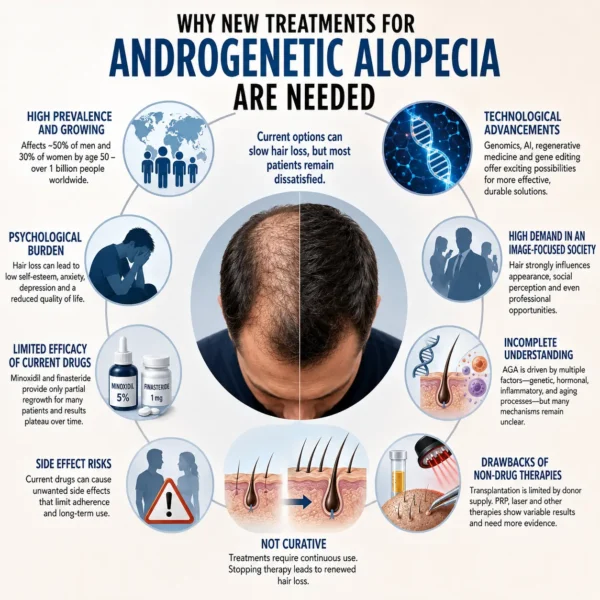
Why New Treatments for Androgenetic Alopecia Are Needed
Androgenetic alopecia (AGA), commonly known as male pattern hair loss and female pattern hair loss, is the most common cause of progressive hair thinning in…
Insights on Hair Health, Hair Growth, and Alopecia Research
Insights on Hair Health, Hair Growth, and Alopecia Research
Androgenetic alopecia (AGA), commonly known as male pattern hair loss and female pattern hair loss, is the most common cause of progressive hair thinning in…
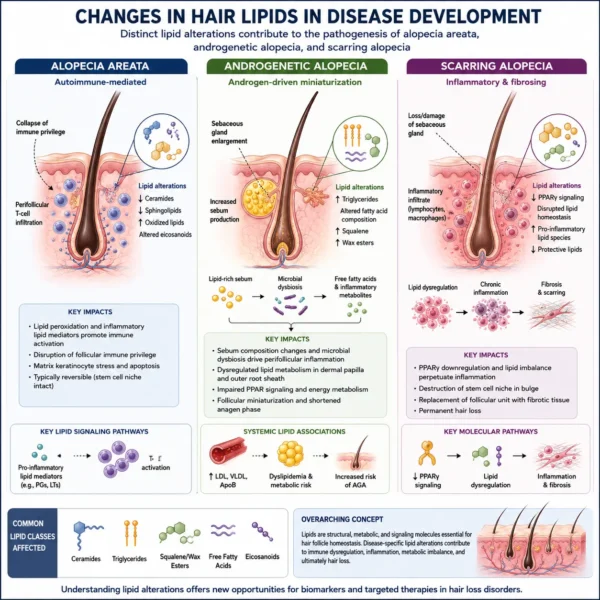
Hair follicle biology is increasingly understood as a system in which lipid metabolism is not peripheral, but central to structural integrity, immune regulation, and follicular…
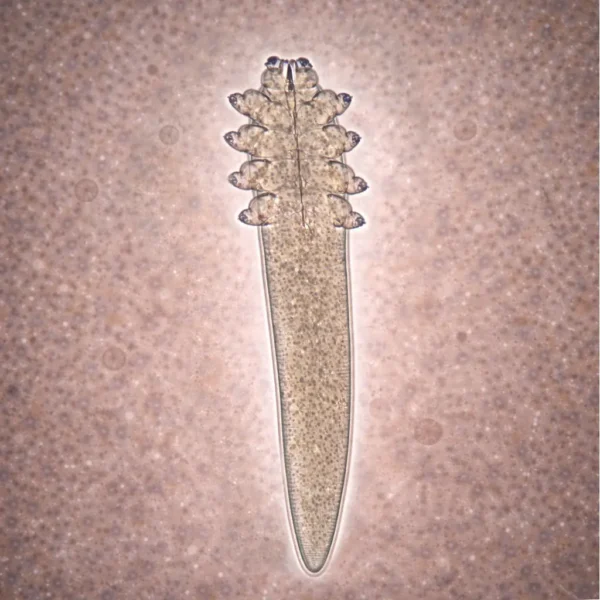
Demodex folliculorum is a microscopic mite that inhabits the human pilosebaceous unit and has fascinated, unsettled, and occasionally misled clinicians and patients for more than…
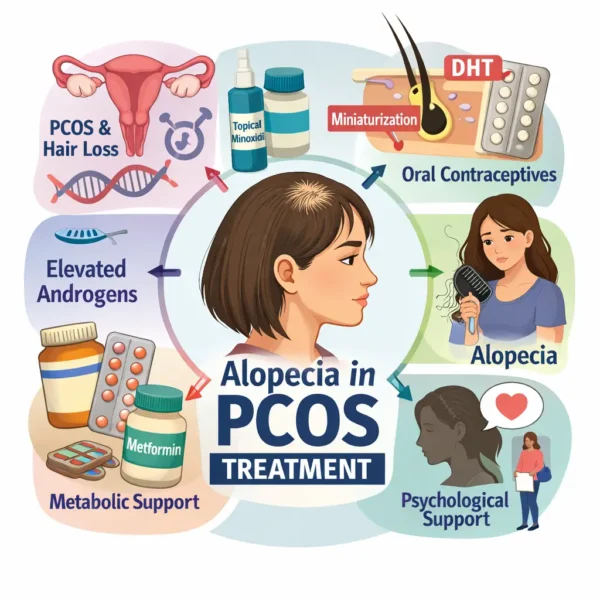
Polycystic ovary syndrome (PCOS) is a highly prevalent endocrine disorder of reproductive-aged women, characterized by hyperandrogenism, ovulatory dysfunction, and polycystic ovarian morphology. In addition to…
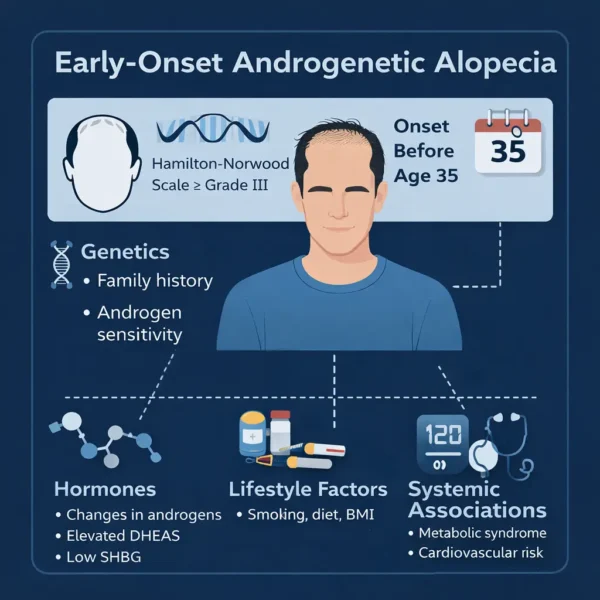
Androgenetic alopecia (AGA) – most commonly referred to as male pattern hair loss – is the most frequent form of hair loss in adult men.…
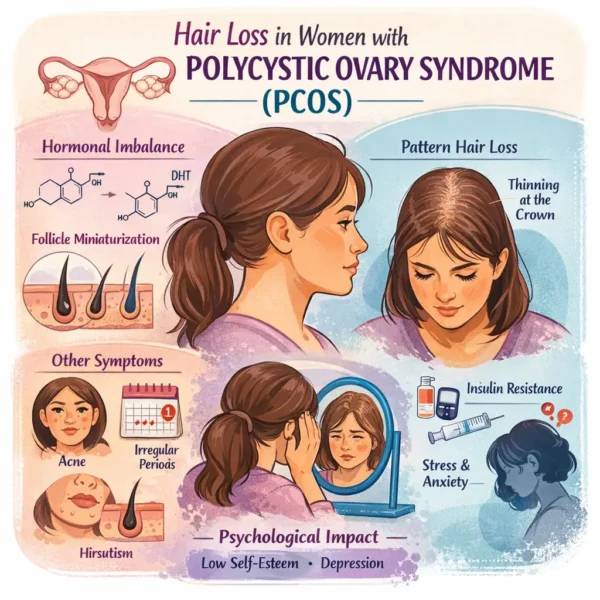
Polycystic ovary syndrome (PCOS) is a common endocrine disorder affecting women of reproductive age, with an estimated prevalence of approximately 4–7% (using the original National…

The short answer is – possibly – but a causal effect has not been conclusively proven. Diet can influence hormonal and metabolic pathways that are…
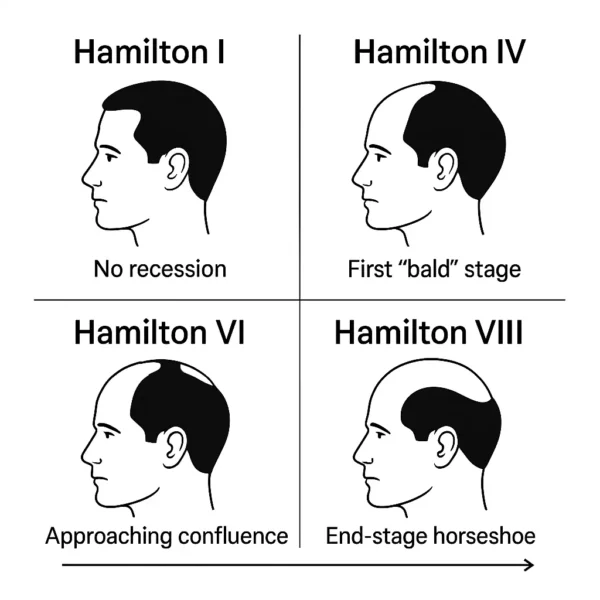
In 1951, anatomist James B. Hamilton proposed the first broadly usable scheme for grading the extent of male pattern baldness (androgenetic alopecia, AGA). He organized…
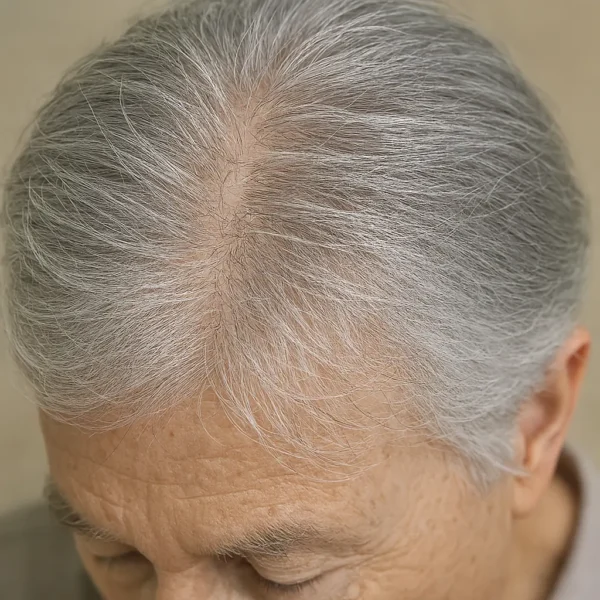
A quiet form of hair loss: When people think of balding, they usually picture the familiar recessions and crowns of androgenetic alopecia (“male‑” or “female‑pattern”…