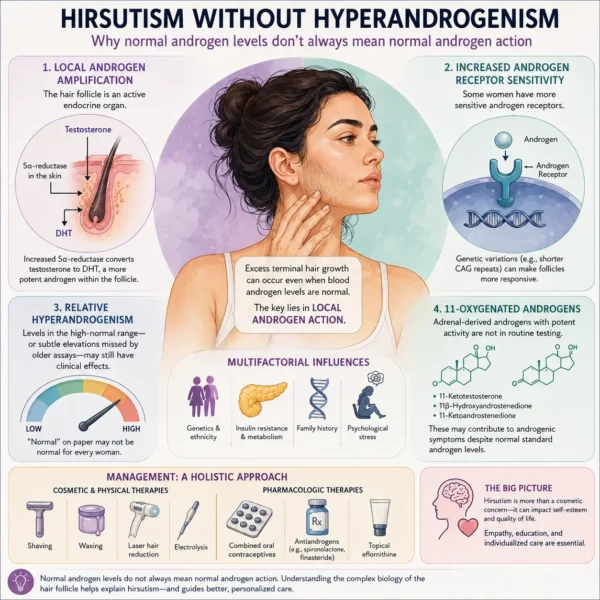
Hirsutism in the Absence of Hyperandrogenism
Hirsutism is traditionally viewed as a clinical sign of androgen hormone excess in the body. Excessive terminal hair growth in androgen-dependent areas of the female…
Insights on Hair Health, Hair Growth, and Alopecia Research
Insights on Hair Health, Hair Growth, and Alopecia Research
Hirsutism is traditionally viewed as a clinical sign of androgen hormone excess in the body. Excessive terminal hair growth in androgen-dependent areas of the female…
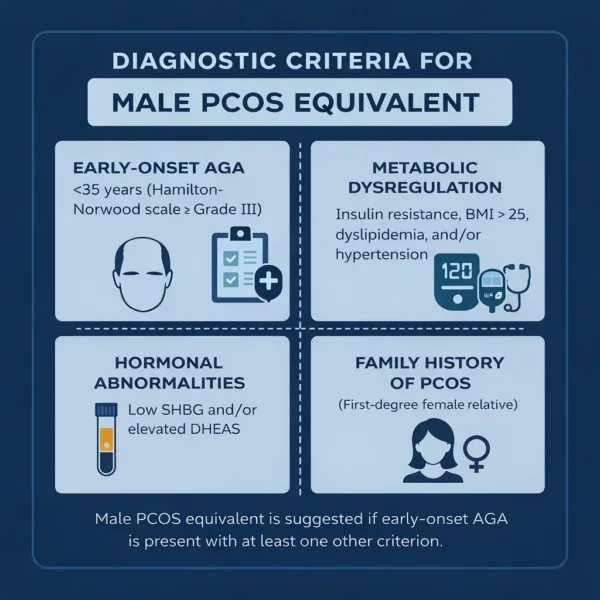
For families where there is a high prevalence of women with polycystic ovary syndrome (PCOS), men who are genetically related have a tendency towards developing…
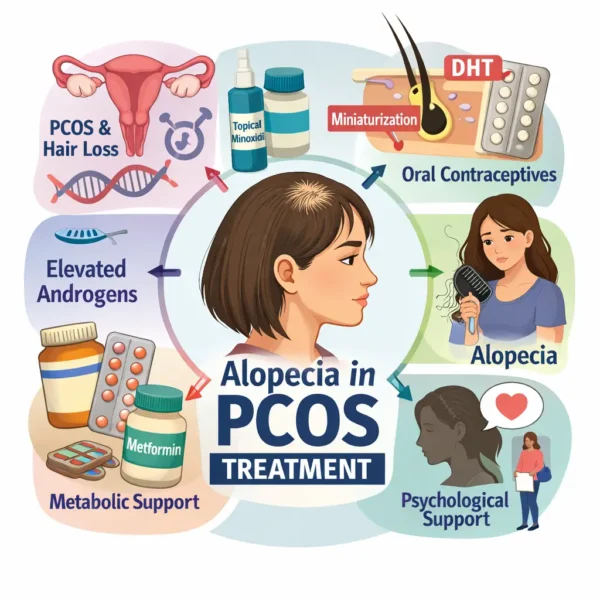
Polycystic ovary syndrome (PCOS) is a highly prevalent endocrine disorder of reproductive-aged women, characterized by hyperandrogenism, ovulatory dysfunction, and polycystic ovarian morphology. In addition to…
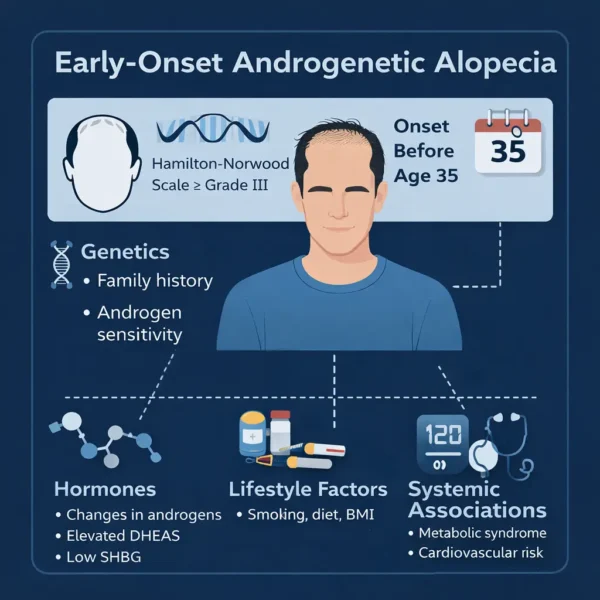
Androgenetic alopecia (AGA) – most commonly referred to as male pattern hair loss – is the most frequent form of hair loss in adult men.…
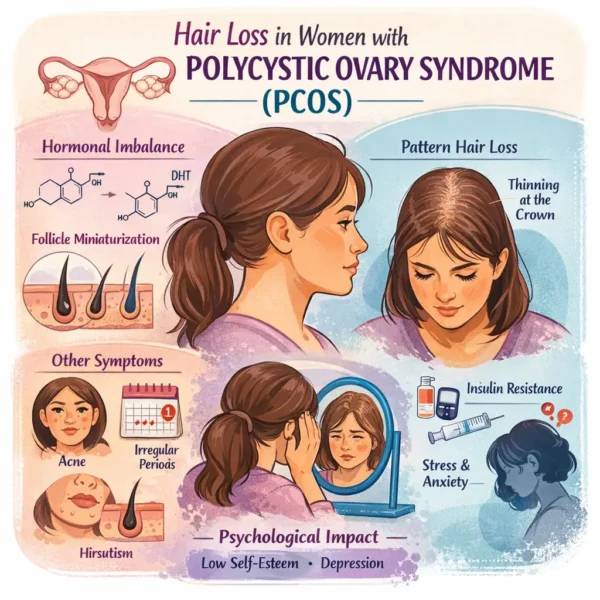
Polycystic ovary syndrome (PCOS) is a common endocrine disorder affecting women of reproductive age, with an estimated prevalence of approximately 4–7% (using the original National…
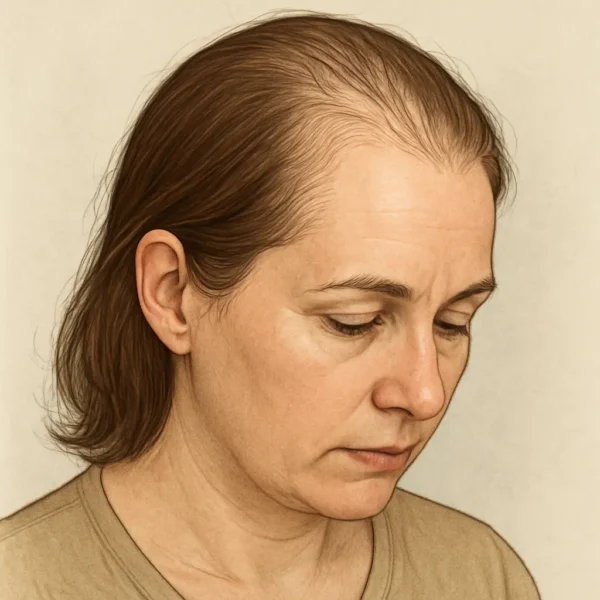
Hair loss is a common concern for both men and women. While male-pattern baldness – with its characteristic receding frontal hairline and vertex thinning –…
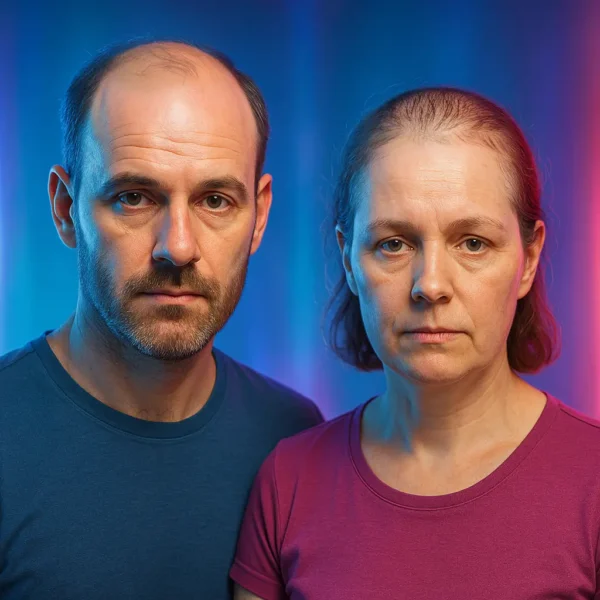
Androgenetic alopecia (AGA), often referred to as male pattern baldness (MPB) in men and female pattern hair loss (FPHL) in women, is by far the…
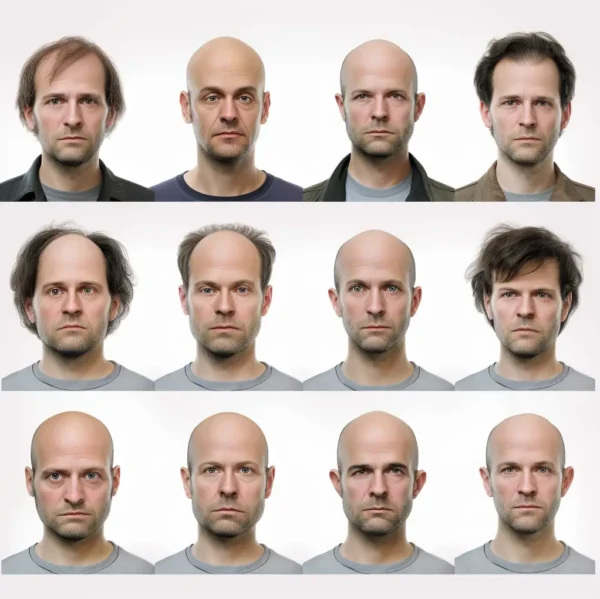
Androgenetic alopecia (AGA), commonly referred to as male pattern baldness (MPB) in men and female pattern hair loss (FPHL) in women, is among the most…
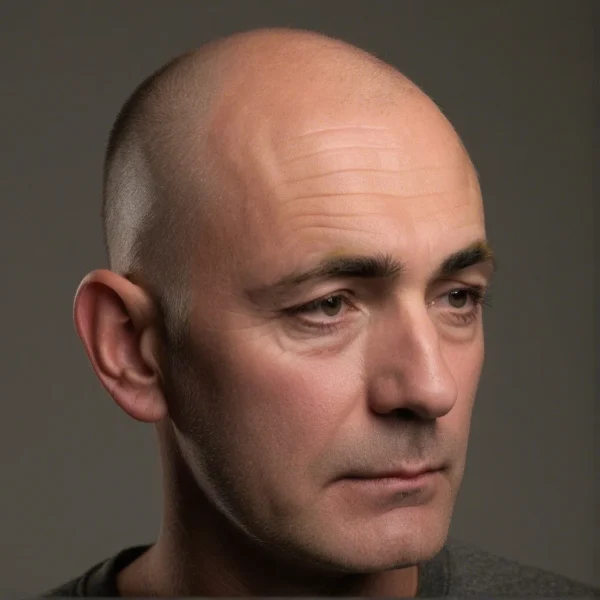
The Sign of Hertoghe, also known as Queen Anne’s sign, refers to the thinning or loss of the lateral third of the eyebrows. Although once…