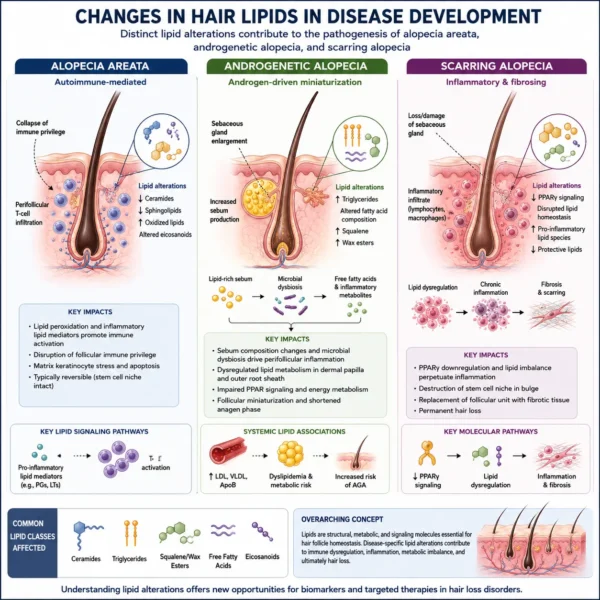
Changes in Hair Lipids in Hair Loss Diseases
Hair follicle biology is increasingly understood as a system in which lipid metabolism is not peripheral, but central to structural integrity, immune regulation, and follicular…
Insights on Hair Health, Hair Growth, and Alopecia Research
Insights on Hair Health, Hair Growth, and Alopecia Research
Hair follicle biology is increasingly understood as a system in which lipid metabolism is not peripheral, but central to structural integrity, immune regulation, and follicular…
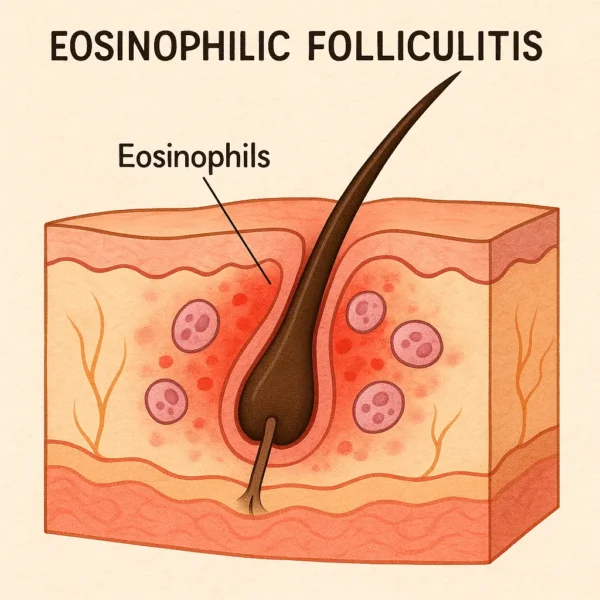
Introduction: Eosinophilic folliculitis (EF) is an inflammatory dermatosis characterized by recurrent, intensely pruritic papules and pustules centered on hair follicles, accompanied histologically by prominent eosinophil…

Androgenetic alopecia (AGA) is the most common form of hair loss in both men and women. While genetic predisposition and hormonal factors have long been…
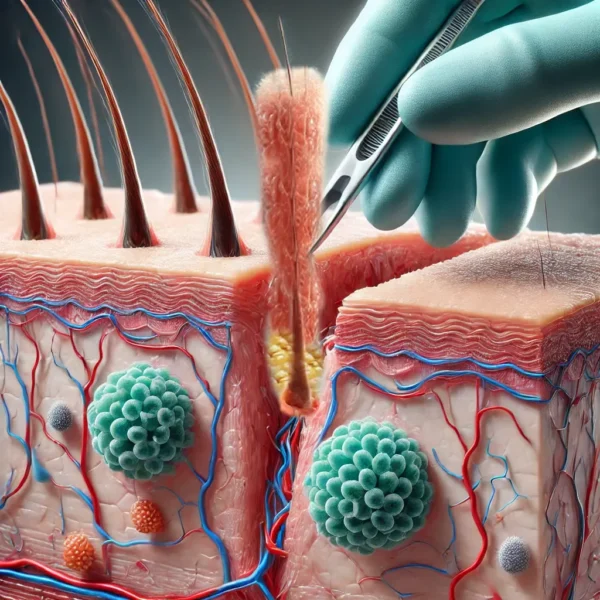
Chronic wounds – such as non-healing leg ulcers, diabetic foot ulcers, and trophic ulcers in conditions like Hansen’s disease – represent a significant clinical challenge…
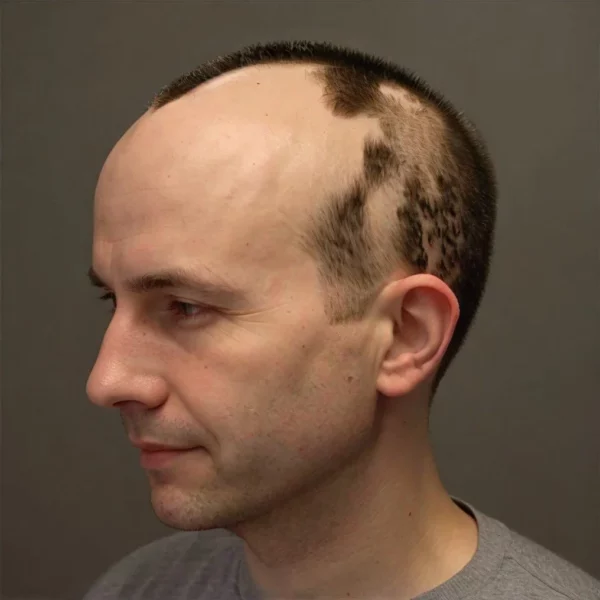
Alopecia areata (AA), an autoimmune condition targeting hair follicles, presents an intriguing deviation from this typical pattern of autoimmune tissue destruction. Unlike other autoimmune diseases,…
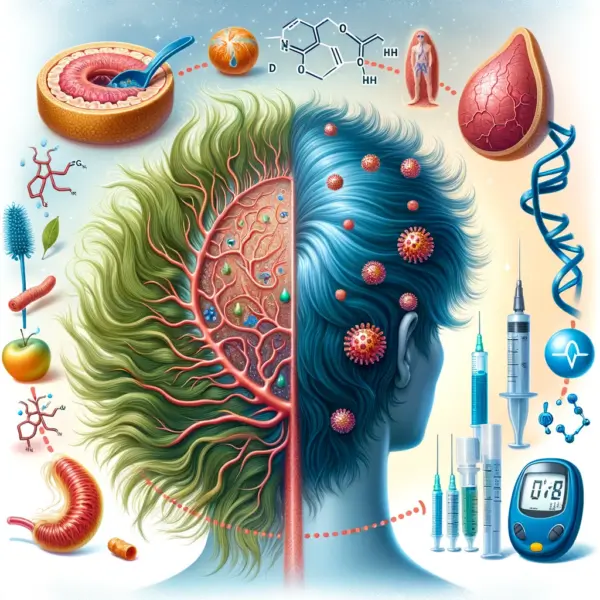
Diabetes, a complex metabolic disorder, has far-reaching effects on various body systems, including the skin and hair. Emerging research suggests a bidirectional relationship between diabetes…
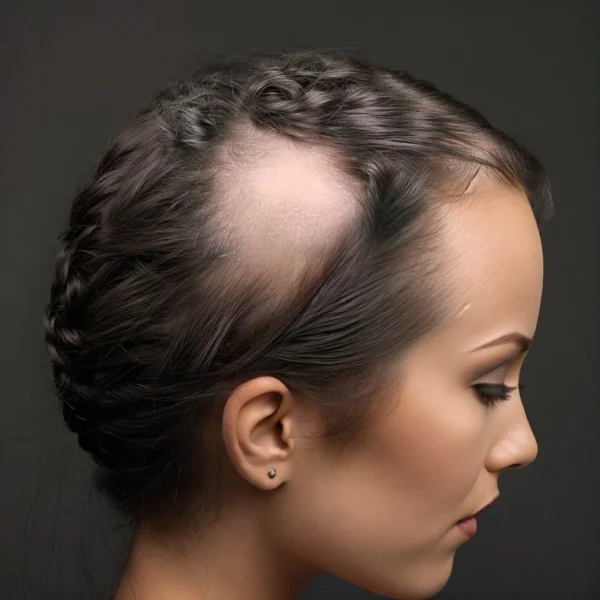
Introduction: Alopecia areata is an autoimmune condition characterized by non-scarring hair loss, affecting individuals of all ages, genders, and ethnicities. It is marked by the…
The human body is a marvel of interconnected systems, where seemingly unrelated parts share intriguing connections. One such fascinating link exists between hair and eyeballs.…
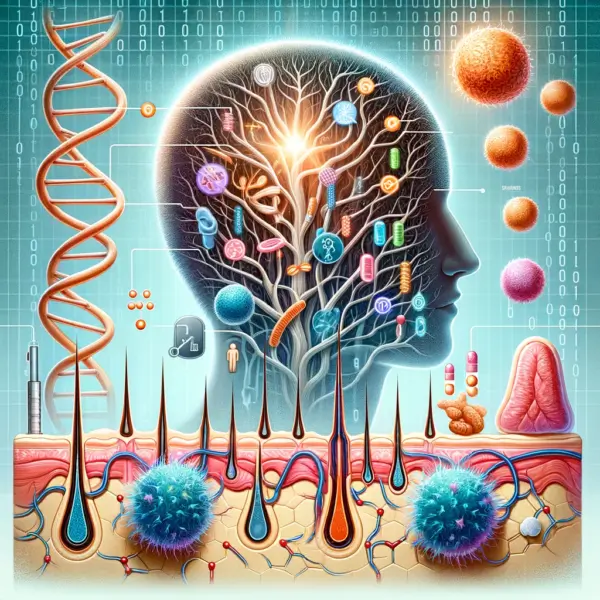
Alopecia areata (AA) is an enigmatic autoimmune condition characterized by non-scarring hair loss. Its global prevalence highlights a significant impact on individuals of all ages,…