The Role of Lifestyle and Environmental Factors in Accelerating Gray Hair Development
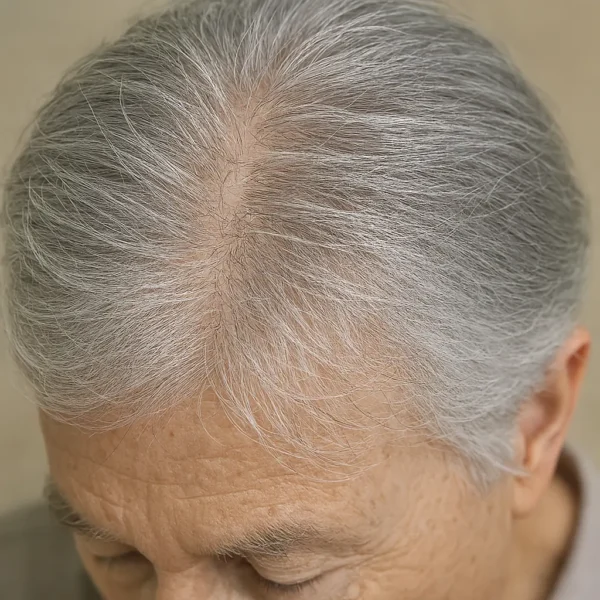
Canities, the scientific term for the progressive loss of hair pigmentation, commonly presents as the gradual emergence of gray or white hair in individuals of…
Insights on Hair Health, Hair Growth, and Alopecia Research

Canities, the scientific term for the progressive loss of hair pigmentation, commonly presents as the gradual emergence of gray or white hair in individuals of…

A quiet form of hair loss: When people think of balding, they usually picture the familiar recessions and crowns of androgenetic alopecia (“male‑” or “female‑pattern”…

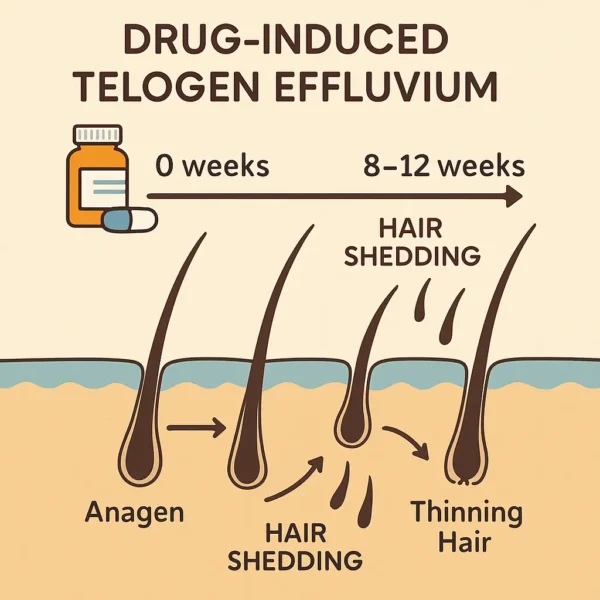
Understanding Telogen Effluvium: Telogen effluvium (TE) is a nonscarring, reversible form of diffuse hair loss characterized by an increased proportion of hair follicles entering the…

Androgenetic alopecia (AGA) is the most common form of hair loss in both men and women. While genetic predisposition and hormonal factors have long been…

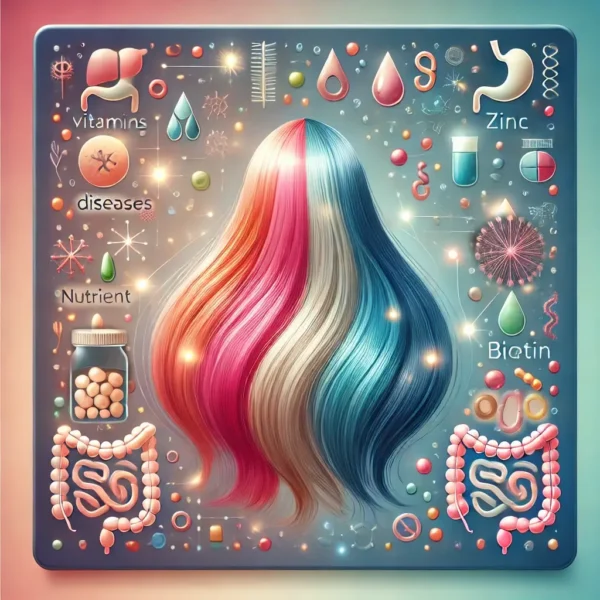
Introduction: Various conditions that affect the gastrointestinal (GI) system, such as celiac disease, irritable bowel syndrome (IBS), and inflammatory bowel disease (IBD), can lead to…

The Sign of Hertoghe, also known as Queen Anne’s sign, refers to the thinning or loss of the lateral third of the eyebrows. Although once…

Hair color is determined by a complex interplay of genetic, environmental, and physiological factors. Although genetics primarily dictate natural hair color, emerging evidence suggests that…

Introduction: Androgenetic alopecia (AGA), commonly referred to as pattern hair loss, is a prevalent condition affecting both men and women, characterized by progressive hair thinning…

Introduction: Celiac disease (CD) is an autoimmune disorder characterized by an inappropriate immune response to gluten, a protein found in wheat, barley, and rye. This…